

Is It Really Necessary To Eat Sardines With A Sardine Fork?
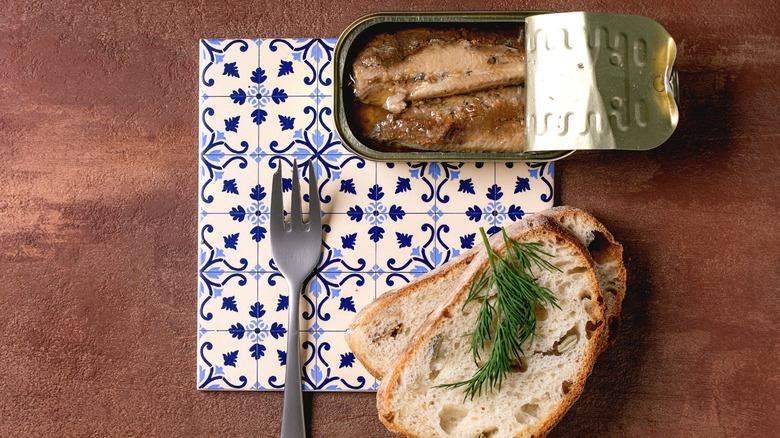
The idea of needing a special fork just for sardines sounds a bit much at first. Sardine fork? Really? However, they are real, and people have used them for centuries. It's not about formality, but about function. Sardines are oily and slippery, so the specialty utensils are intentionally designed. Thanks to their wider-spaced tines, these little flat forks allow you to easily lift the fish out of the tin without shredding it or splattering oil all over your plate. Ordinary forks turn sardines to mush or push them around the can, whereas a sardine fork enables you to control the fish better for tidy, convenient serving. If you eat a fair amount of sardines, you can understand the tool's usefulness.
This fork is interesting in the way it fits into the bigger picture of the culinary culture surrounding tinned fish. Once an afterthought in modern pantries, tinned seafood is now considered an upscale snack. Today, there are so many easy ways to use canned sardines in food, from making sardine pasta to pairing it with pizzas. You can enjoy them as simple snacks or fancy dinner party appetizers, whether paired with some crusty bread with pickles or layered into composed bites with fresh herbs and soft cheese. Even if you're afraid you'll hate them, there's a sardine out there for you with new brands of sardines popping up with fun additions like lemon or smoked paprika and added to charcuterie and smoked fish boards.
Sardine forks are specialized tools with a long history
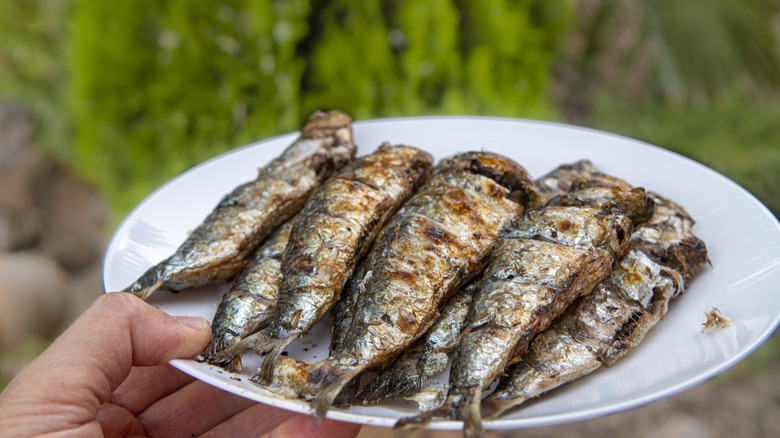
Just as tinned sardines aren't a modern invention, neither are the specialized forks designed to serve and eat them. As the first fish to be canned during the Napoleonic Wars, sardine forks became a staple several decades later in Victorian table settings when sardines were viewed more as a luxury food than mere wartime provision — a shift that's similarly affected lobster throughout history. Niche cutlery and single-purpose utensils, like lemon forks and gelatin servers, fit neatly into the era's emphasis on dining etiquette in refined society.
Of course, you don't need to stuff your kitchen drawers with a full set of specialized Victorian silverware and although the renewed popularity of sardines suggests a shift in our collective attitude toward tinned food that's reminiscent of the past, sardine forks are still usually a luxury and not a necessity. For most folks, a regular fork or even your fingers should do the job just fine. While you do not technically need a sardine fork, it does make the process of eating sardines easier in specific situations, especially if you're trying to eat the fillet while it's intact. The single-use utensil is particularly useful in settings where presentation matters — think snack boards, wine pairings, or when sardines are served straight out of the tin in a group setting. So for those who absolutely love the tinned fish, eat it often, and care about its presentation, a sardine fork is worth a spot in their cutlery drawer.
Sardine forks aren't about being fancy for the sake of it; they're about using the right tool for a tiny, slippery fish. So, for a food that's already delicate and oily, sardine forks add an extra bit of control. With them, you'll be one step closer to eating sardines like a pro.