

You'll Never Guess Which Vegetable Can Prevent Bread From Going Stale
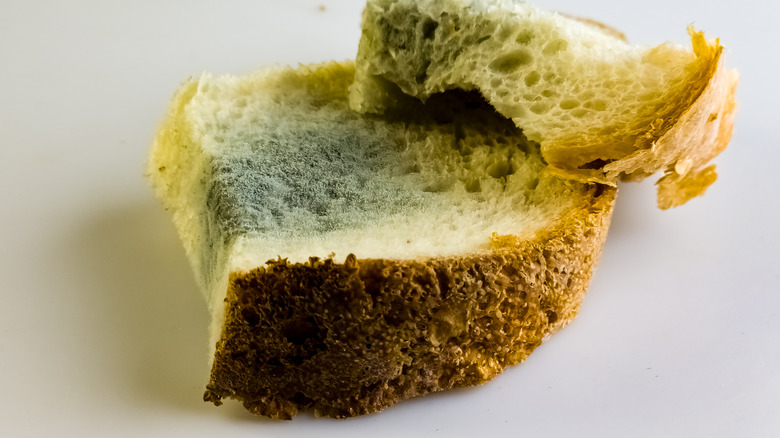
You know that sad moment when your perfect loaf of crusty sourdough morphs into a dry, tooth-chipping brick overnight? Turns out, the solution might not be in an airtight container or fancy bread box, but that crispy celery in your fridge.
At first glance, celery and bread have nothing in common. One is water-rich and crunchy; the other is dry and carb-loaded. But here is where it gets interesting: that exact moisture difference is the reason this hack works. When you stick a stalk or two of celery into your bread bag (preferably with the cut side down), it releases just enough moisture into the enclosed space to help slow down the staling process.
Why does bread go stale in the first place? It's not just about drying out. Staling is a chemical process called retrogradation, where the starch molecules in bread start to recrystallize and push water out of the structure, making the loaf seem dry and crumbly even though it still contains water. By adding a mild source of humidity, like celery, you can help keep the starches from seizing up too quickly.
A humidity hack hiding in your crisper drawer
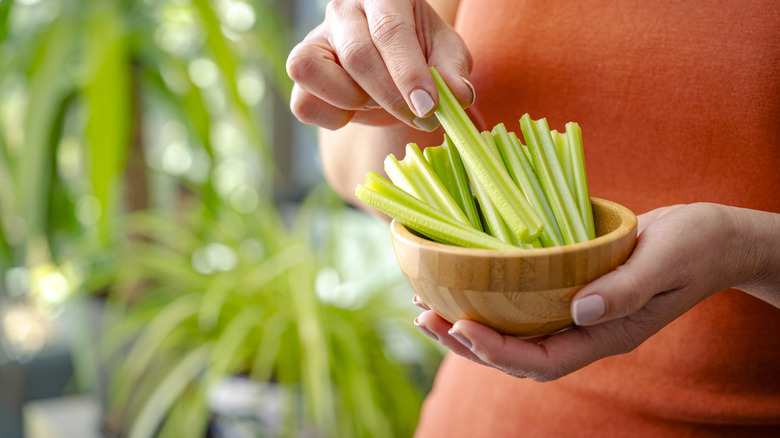
Here's how to do it right: Pop a fresh stalk of celery into the bread bag and seal it loosely. Don't go overboard. You are not trying to steam the bread, just provide a little ambient moisture. Within a day, you'll notice the bread stays noticeably softer. Even the crust won't toughen up as fast. And the best part? The bread doesn't take on a celery flavor (as long as you are using a reasonable amount). If you are nervous, just wrap the celery in a bit of parchment or plastic wrap with slits to control moisture flow. This trick works especially well with sandwich bread, store-bought dinner rolls, and softer loaves that tend to go stale quickly. Artisan sourdoughs like cinnamon rolls with hearty crusts might still need a little toasting to bring them back to life, but the celery hack helps keep the interior from drying out too fast.
Now, a few caveats. Celery won't resurrect a loaf that's already fossilized. It's best used preventively, not as a rescue mission. Also, if your bread is still going dry too fast, consider storing it in a cool, dry pantry instead of the fridge, which tends to speed up staling. Celery helps balance humidity, but it is not a substitute for proper storage.
So next time you are organizing your kitchen and eyeing that wilting bunch of celery in the crisper, think twice. It might just be the bread-saving sidekick you never knew you needed. Unexpected? Totally. Effective? Surprisingly so. Because sometimes the best kitchen hacks come from the bottom of your produce drawer.