

How To Fix The Bitter Taste In Watercress
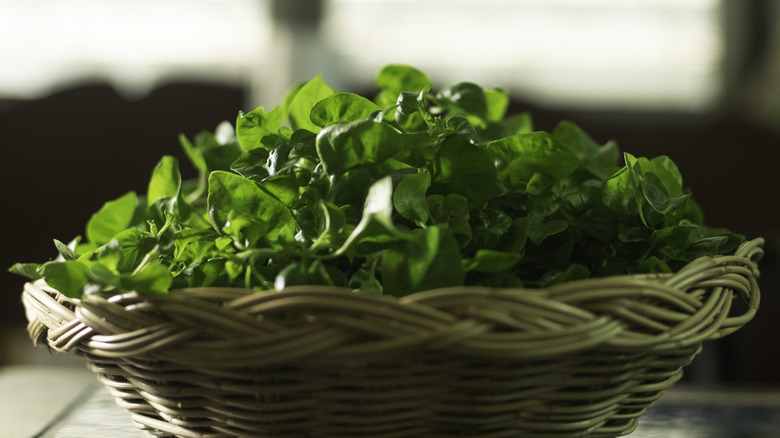
Watercress may look like a delicate little green, but bite into a handful raw and you might get a surprise: a bold, peppery bitterness that walks the line between invigorating and overwhelming. That sharp edge is part of watercress' charm, especially when layered into sandwiches or scattered over a rich soup. But sometimes when used in larger quantities, it can be a little too assertive. The good news? There are some simple kitchen tricks that can take the sting out without muting what makes watercress special.
The easiest way to fix watercress bitterness is to pair it with ingredients that balance or complement it. Fat is your friend here. Think creamy dressings, soft cheeses, ripened avocados, or rich proteins like eggs or salmon. A watercress salad with goat cheese and walnuts? Bitterness tamed. Make an omelet and toss watercress over it or swipe it with crème fraîche? Game changer. The fat smooths out the sharpness and brings everything into delicious harmony.
Another natural foil for watercress' bitterness is acid. A splash of lemon juice or a drizzle of vinegar (balsamic, red wine, or even rice vinegar) helps brighten the leaves and temper their bite. If you're using watercress raw in salads or sandwiches, give it a quick toss in vinaigrette or even just lemon juice and olive oil before serving; it will soften both the texture and flavor.
When in doubt, cook watercress' bitterness out
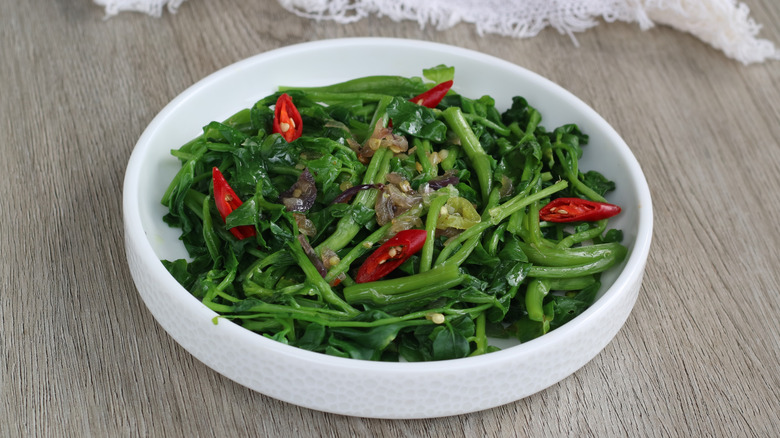
But what if you want to cook your watercress? That's a great option, too, especially if you're working with an older bunch with tougher stems or stronger flavor. Briefly sautéing or blanching the greens takes down the bitterness fast. Just a few seconds in a hot pan with olive oil and garlic or a quick dunk in boiling water followed by an ice bath can mellow the peppery bite and make it more versatile. Blanched watercress is excellent in soups or stir-fries, and you can even blend into a pesto for a spicy twist.
Don't forget the power of a pinch of salt or a touch of sweetness. Even a tiny bit of honey or maple syrup in a dressing can help counteract bitterness, especially if you're combining watercress with other bitter greens like arugula or endive. (Just make sure you pick the best maple syrup for your desired taste and price point.) Salt, meanwhile, enhances natural flavors and can make bitterness less jarring when used judiciously.
So, if you pick up a bunch of watercress and find the flavor a bit too bold, don't write it off. You have got options — acid, fat, heat, salt, and sweetness — all ready to turn down the volume just enough while keeping that signature bite intact. After all, when watercress is treated right, it's more than just a garnish. It's a punchy, vibrant green that can elevate everything from salads to soups and sandwiches. All it takes is a little kitchen chemistry to make it shine.