

The Freezing Mistake That's Depleting Your Frozen Food Of Nutrients
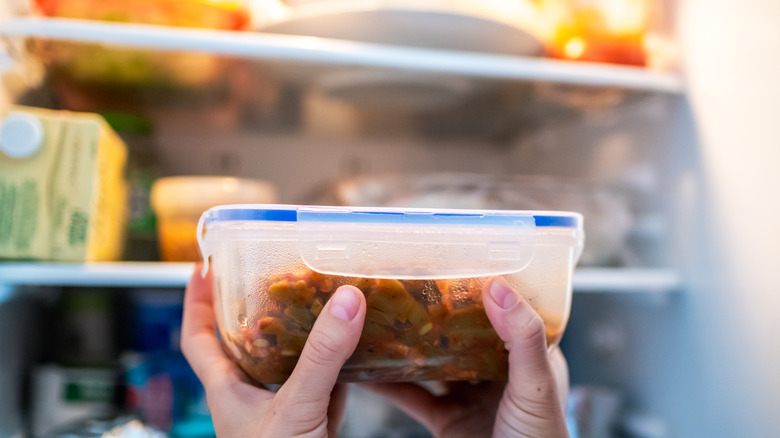
Freezing food — though frozen food might get something of a bad rap among those more fussy foodies and chefs — can be a convenient and effective way of prepping in advance, making your life easier in the kitchen and helping you save some money along the way. But if you are meal prepping, or even making some easy-to-use bone broth or pre-minced garlic, nutrition is going to be important. This all begs the question: Does freezing your food make it lose its nutritional value? To find out, Chowhound exclusively spoke to Kantha Shelke, PhD, CFS — she's a certified food scientist, the principal of Corvus Blue (a food science and research firm), and a senior lecturer on food safety regulations at Johns Hopkins University.
"Freezing is one of the best ways to preserve a food's nutritional value, especially when done soon after harvest or preparation," she explains. "Macronutrients like protein, fat, and carbohydrates remain stable, and most vitamins and minerals are well retained." So for the most part, freezing will actually more effectively preserve your food's nutritional value.
It's not perfect, though. "Water-soluble vitamins, particularly vitamin C and some B vitamins, which are sensitive to heat, light, and oxidation, are lost during pre-freezing steps like blanching, and gradually during storage," says Shelke. "Fat-soluble vitamins (A, D, E, K) and minerals are far more stable, though prolonged exposure to air or light can cause some degradation, especially of vitamin A." The mistake many people make is believing that simply putting food in an air-tight container and placing it in the freezer is all it takes to keep most of its nutrients and flavor intact, but you'll need to employ other methods to prevent degradation.
Ways to retain even more nutritional value
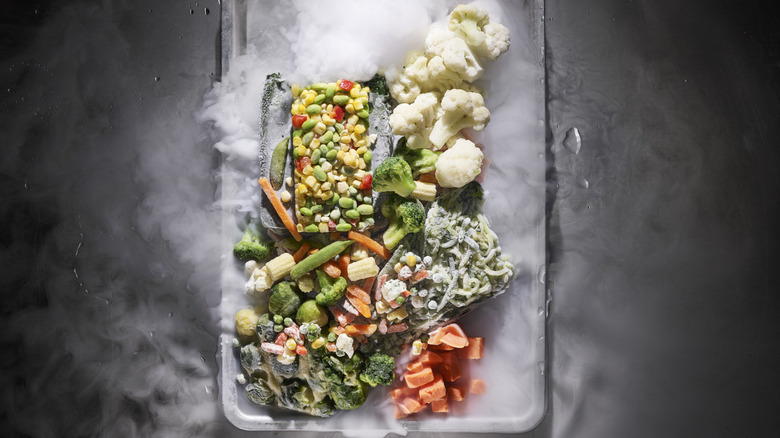
While freezing food isn't a fool-proof way to retain nutrients, there are certainly worse methods to do it. Kantha Shelke explains, "Nutrient losses from freezing are minimal and significantly less than from pressure cooking, canning or drying. ... Freezing is better at preserving nutrients, especially if the freezing is done quickly with limited exposure to heat, air, or moisture." But it's not just the speed of the freezing that matters — colder is best.
The goal is to get your food cold quickly to reduce the size of the ice crystals that form. Smaller ice crystals do less damage to the food's cell structure and help retain sensitive nutrients such as vitamin C and B vitamins. "Flash freezing or Individual Quick Freezing (IQF) methods that rapidly freeze foods at very low temperatures tend to preserve nutrients better," Shelke explains — just like the flash-frozen produce harvested at peak ripeness.
Want to lock in the most nutrition possible? Try a bit of mad science. Cryogenic freezing — which uses liquid nitrogen — works even faster and is ideal for delicate, high-value foods like seafood or desserts, preserving peak nutrition and texture. Of course, cryo-freezing isn't practical for most home cooks. But vacuum sealing before freezing your produce is a good alternative. "Freezing in vacuum-sealed or low-oxygen environments helps protect nutrients like antioxidants and fat-soluble vitamins," says Shelke. It also helps preserve flavor in foods such as coffee, herbs, and berries — and it's a technique that's particularly recommended for seafood.
There are some foods that aren't worth freezing
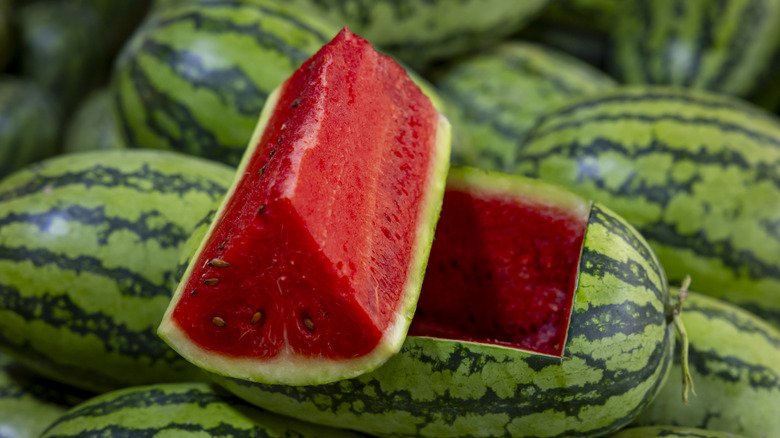
By now, it's pretty clear that freezing your food is a great way to keep it nutritious and long-lasting. Not all frozen food is created equal, though — in fact, there are some foods that you should probably forgo freezing altogether. "While most foods retain their nutritional value when frozen properly, some fragile, aromatic, and especially high-moisture foods are better left fresh to maximize nutritional value and sensory quality," Kantha Shelke tells us. Water content is something to watch out for because water expands as it freezes, which can rupture the cell structure of delicate foods and cause both texture loss and nutrient degradation.
"Delicate leafy greens like lettuce can lose both texture and key nutrients — especially vitamin C and folate — if not blanched and frozen immediately," Shelke says — but blanching, freezing, and storing something like lettuce isn't exactly practical for most people, and that's an a lot of work to preserve something that tastes a lot better fresh! She also notes, "Soft herbs such as basil and parsley may lose antioxidant compounds and aroma unless frozen in oil or puréed."
Fruit with a particularly high water content — such as watermelon or cucumber — is similarly prone to suffering from vitamin C depletion, and don't expect to enjoy them uncooked after letting them thaw out, as they will have an undesirable soft and squishy texture. Unfortunately, it's not just some fruits and vegetables that don't freeze well — it's a risk for dairy, too (think milky cheeses like goat's cheese or mozzarella). "Soft dairy products may separate and lose small amounts of B vitamins if not stored carefully," Shelke warns. In short, freezing works — just don't expect it to work for everything.