

Creamy Vs Chunky Peanut Butter: Which One To Use When A Recipe Doesn't Specify
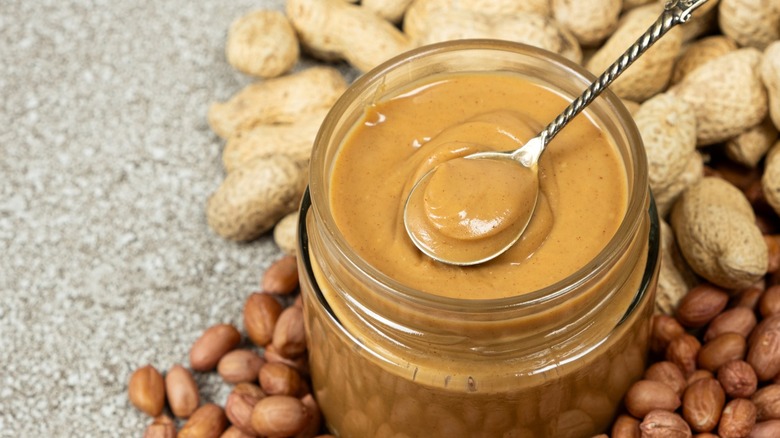
Peanut butter is full of rich, nutty flavor that walks the line between sweet and salty. The creamy consistency makes it a versatile ingredient in the kitchen. When shopping for store-bought peanut butter, there are all sorts of labels, and it can be difficult to decipher which brands are worth buying and avoiding. Most recipes that call for peanut butter refer to jars with the "creamy" label, while "chunky" peanut butter is more often specified for niche spreads and desserts that require a crunchy element.
Peanut butter acts as a textural support agent, so recipe developers imply using the smooth variety for this purpose. It has an easier time mixing with ingredients and creating an even texture. Cookies, cakes, and pies are finicky, and opting for smooth peanut butter just makes sense. It's also suitable for blending into satay sauces and soups, as it can be combined with ingredients such as soy sauce or coconut milk.
Reach for a smooth peanut butter with natural ingredients and zero (or low) added sugar. It doesn't need more on the ingredient list than peanuts and salt! The only times you'll really need to opt for unsalted options are when working with already salty, umami ingredients (like soy sauce, for example), as it's easier to add seasoning than subtract it. Less is more when it comes to peanut butter, so recipe developers will specify when chunky is the best option.
When to use crunchy and natural peanut butter
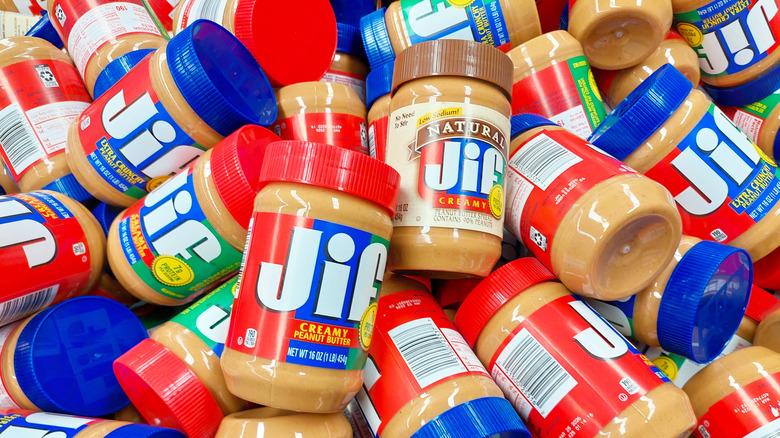
Using chunky peanut butter comes down to a matter of preference. The peanut chunks can add a pleasant crunch to brownies and cookies, but some people are put off by the unexpected texture in these desserts. Chunky peanut butter tends to shine the most as a spread for toasted bread, since the added crunch helps jam and honey feel less heavy and syrupy in the mouth. Granola and protein bars also benefit from the taste and texture of whole peanuts. As a general rule, opt for crunchy butter when people can see the peanuts in the dish, and use a smooth type for general baking and cooking purposes.
Natural and organic peanut butter can be either crunchy or smooth; and because they're so minimally changed from their original form, the oils in the butter rise to the top of the jar. All you have to do is stir those oils back in to get a creamy consistency again. As stated before, good peanut butter is just blended roasted peanuts and (maybe) salt. If you want to be extra adventurous, consider creating your own nut butter at home. Few recipes are simpler than those with just one or two ingredients.