

Is Bourbon Becoming Less Popular? Why Sales Are Slumping
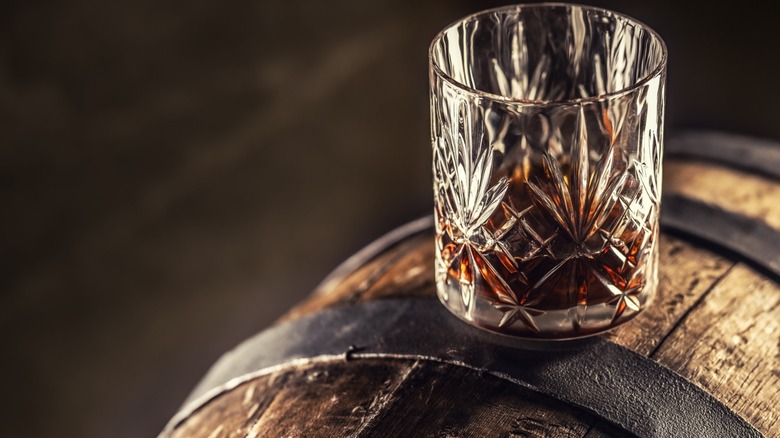
Bourbon has long reigned supreme as the quintessential American spirit, and not just because it's in some of the most popular cocktails of all time. Originating in America's heartland (Kentucky, to be specific), only whiskeys made in the United States following a specific mash bill earn the right to the bourbon label. The bourbon boom of the past two decades (a record 2.7 million barrels were filled in 2024 alone) was initially projected to continue, but sales have noticeably slowed and some distilleries face closure and financial hardship. But does that mean bourbon is less popular?
Not entirely. Cooled-down bourbon sales are likely the result of a perfect storm of issues: Trade disputes, overproduction from previous years, general economic woes, and changing public preferences. To start, spring 2025 saw major international trade turmoil for the bourbon industry. In response to American tariff threats, Canada placed its own tariffs on American products and discouraged consumers from buying them — in Ontario, American bourbon was outright banned. Similar patterns were seen in other parts of the world, including Europe, where tariffs on American whiskey were jacked up to 50%.
Lingering fallout from the COVID-19 pandemic has also contributed to the slump. In 2020, people were stocking up and sipping at home more than ever. Now, many are cutting back because they're still working through their stash — or just drinking less these days. Then there's Gen Z; young, would-be consumers who drink less than previous generations overall. Finally, inflation and rising living costs mean fewer people have money to burn on non-necessities, including bourbon — especially the costly special-release bottles that have become prevalent.
What people are consuming instead of bourbon
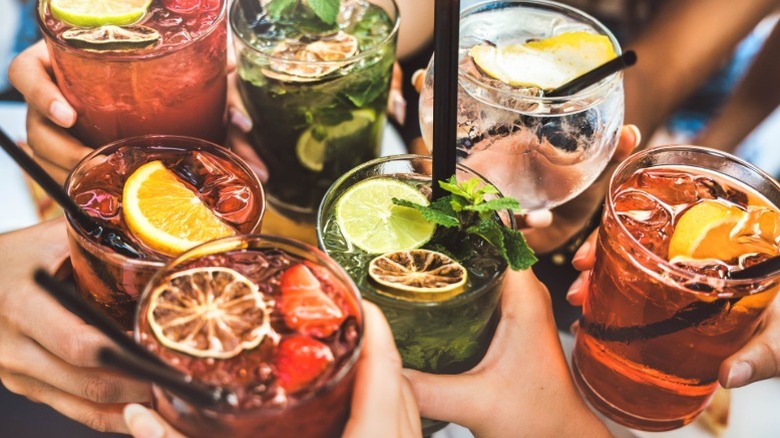
As the traditional bourbon industry struggles, modern trends are seeing consumers reach for other beverages of choice. After tea and coffee, the most prevalently consumed beverage is beer (followed by milk, wine, and energy drinks). The best-selling cocktail in the world is likewise the Negroni, which doesn't contain any whiskey. Among alcohol drinkers in the United States, data shows that beer outranks hard alcohol (including bourbon) for all age groups, while the 55-and-older crowd prefers wine over liquor. When it does come to liquor, smaller, niche labels and sustainability-focused brands have gained a strong foothold. Basically, craft distilleries have carved out some of the market share once dominated by big-name brands, such as Jim Beam and Maker's Mark.
Of course, it's not just about alcohol. In addition to younger people drinking less alcohol in general, the mocktail industry has risen as a viable alternative to traditional liquor and cocktails. It wasn't long ago that the only non-boozy options at bars were water and soda, but recent years have seen an explosion in non-alcoholic cocktails on menus and in cans at stores. Mocktails with soft drinks, herbal infusions, and juices have grown popular, as have non-alcoholic versions of staple liquors. This includes non-alcoholic bourbon crafted with botanical extracts and barrel-aging techniques to replicate bourbon's signature notes of vanilla, caramel, and woody spice. It's still niche, but if anything, it's a testament to America's bourbon spirit not fading totally away anytime soon.