

The Science Behind Why You Prefer Sweet, Salty, Or Spicy Foods
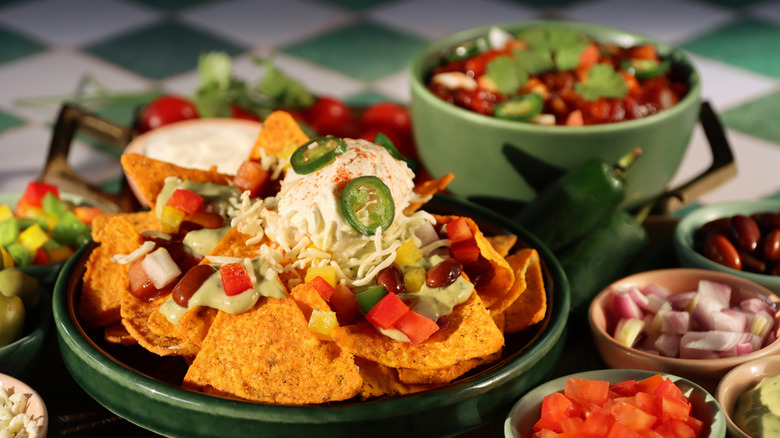
Not everyone perceives flavors the same way. Some love cilantro on tacos, while others find it soapy. Similarly, blue cheese can be irresistible to certain people, but too moldy to others. There's also a scientific reason some people can't stand the smell of bacon, while others simply won't start their mornings without it. But these examples are just the tip of the iceberg. It turns out our preferences for sweet, salty, bitter, sour, and spicy flavors are influenced by genetics and continue to be shaped by evolution, culture, and experience.
Mark Johnson, founder of CompKitchen, a molecular food-pairing tool that helps home cooks and food scientists discover why ingredient combinations work, revealed in an exclusive conversation that the TAS2R38 gene is responsible for our sensitivity to bitter compounds. "If you have a sensitive version of the gene, then black coffee and raw kale will taste much harsher than for others," Mark Johnson told Chowhound. Meanwhile, variations in the TAS1R gene can influence whether you naturally lean more toward sweet or savory foods. A variant, known as TAS1R2, can reduce sensitivity to sugar and make sweeter foods more appealing.
Unlike other flavors, spiciness is a pain sensation registered by the nervous system through TRPV1 receptors, which respond to a compound known as capsaicin (usually found in chili peppers). Capsaicin tricks pain receptors into sensing a burn, which causes the brain to release feel-good hormones like endorphins and dopamine along with the heat. Differences in these receptors can influence whether someone will enjoy or hate spicy food. But there are ways to increase your spice tolerance, and change your palate in general.
Don't give up, you can adapt to new flavors over time
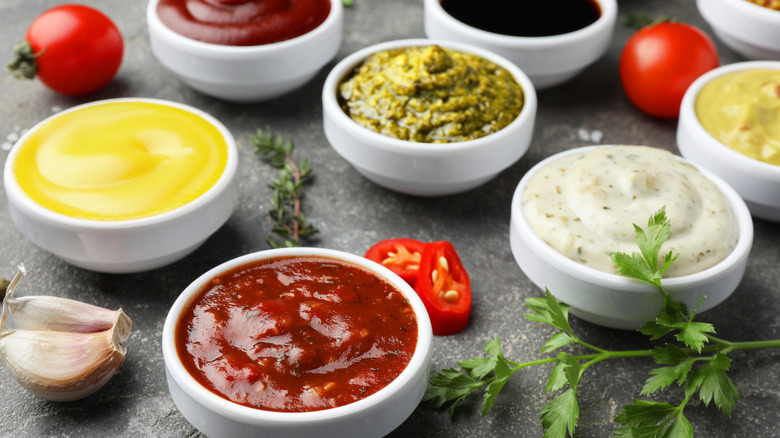
What we like to eat isn't determined by our genes alone. Instinct and learned behavior also play big roles. Babies are born with a preference for sweet and an aversion to bitter flavors. This, Mark Johnson said, is a survival instinct that once helped humans avoid poisonous or spoiled foods. "But everything specific after that is picked up from experience. What the child eats early or while in the womb," he explained. Culture also plays a role in which flavors feel familiar. "A kid in Sichuan would think the numbing of peppercorns is comfort food, while the kid from Georgia would [think] the opposite," he explained.
Even past childhood, your food preferences aren't fixed for life. Repeated exposure can refine your sense of taste. You can increase your spice tolerance by starting slow and experimenting. Enjoying tart flavors is also a matter of training your palate.
Age matters, too. Children generally have more numerous and more sensitive taste buds, which may be why they tend to be pickier eaters. Over time, those taste buds shrink and become fewer in number, losing some of their sensitivity. This could explain why some believe that picky eaters have stronger taste buds, although it may be more accurate to say they often perceive certain flavors more intensely. And the upside? Foods you once couldn't stand may actually start to taste better.