

5 Kinds Of Food Packaging That Aren't Actually Recyclable
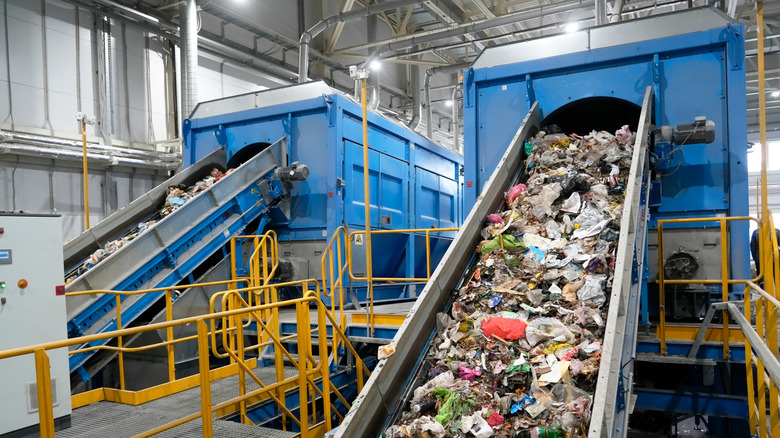
On nights when you just don't feel like cooking, ordering takeout or grabbing a ready-meal at the store can be an easy solution. But this can go from quick-fix to headache if don't quite know how to dispose of the food packaging it comes in. While there are various products that can be recycled, there are many others that might not make the cut. And it can be hard to know when certain items should go to a specialized facility, or if you can toss them into standard curbside pickup.
Recycling can be very confusing, especially when it comes to food packaging. This is partly because the food industry has innovated beyond what many municipalities can process. On top of that, Americans generate more waste than the recycling system can keep up with. At the same time, each city has its own unique recycling guidance, which only adds to uncertainty. While the United States has made an effort to increase recycling capacities, there are still many products that are commonly non-recyclable.
Municipality recycling partly depends on the machinery in operation. This affects the type of plastic it can accept, which you can determine based on the numbered (1 through 7) triangular arrows stamped on products. The same goes for non-plastic packaging, many items are labeled with recycling symbols indicating different types of glass and paper. The confusion this causes leads many folks to simply recycle an item in hopes of it being accepted, known as "wishcycling." So pause before you recycle your fast food drink cups and other single-use packaging. If you don't, you may be accidentally be risking contamination by sending through trash that the plant can't process.
Polystyrene (Styrofoam)
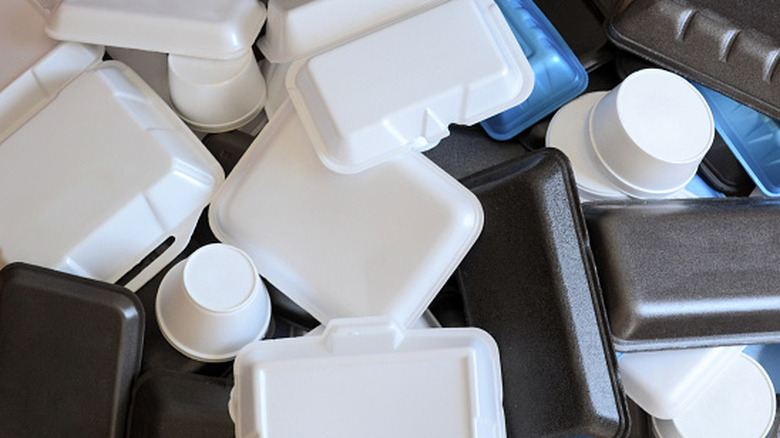
When it comes to food packaging that generally can't be recycled, polystyrene (brand name Styrofoam) won't come as a surprise to many. There are already copious bans on this product globally, and various U.S. states are also moving to ban or reduce the production of this material. In addition to these concerns, it's really only good for half a use. Its thermal properties keep your food nice and toasty on the way to your house, but if you need to reheat leftovers, it's one of the takeout containers you really shouldn't be microwaving. Beyond its negative environmental impact, polystyrene presents multiple difficulties when it comes to recycling.
It's even worse at the recycling facility. Styrofoam, a type of steam-puffed plastic, takes up a lot of space, is expensive to transport, and difficult to break down. This type of plastic also risks contaminating other materials during the recycling process, due to its tendency to break into small pieces. Despite the fact that it's technically recyclable, it's just far too expensive and impractical at scale for most municipalities to justify, so many will not recycle it and consumers are advised to toss it in with the rest of the trash.
Even if there are programs that process Styrofoam in your city, it's unlikely you can leave it with your other recyclables. Instead, check with local waste collection entities to see if there are alternative options for drop-off or separate collection. Most cities operate waste management programs that entail both governmental and privately owned companies, so it's good to do some research to see what they accept first.
Black plastic food trays and containers
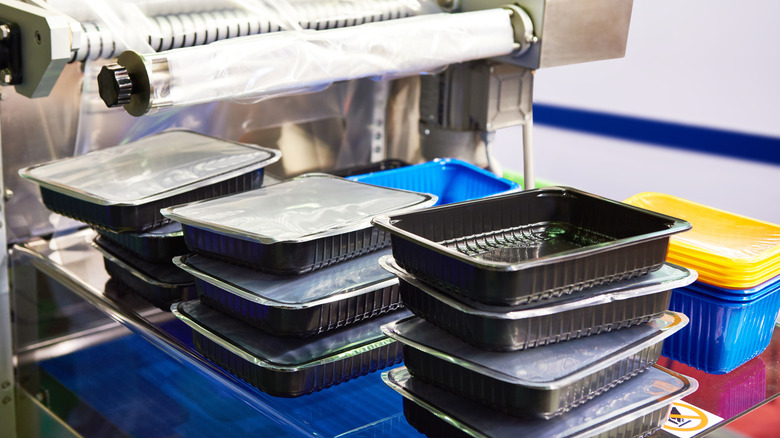
Expectedly, a lot of black plastic food containers and other black plastic materials pass through recycling plants. But these facilities sometimes don't accept black plastic due to the risk of harmful chemicals (toxins, heavy metals, and flame retardants) leeching into the finished material during the recycling process. That said, this isn't exclusively why black plastics don't always get repurposed.
This problem is partly to do with the sorting machinery common at recycling facilities. Many recycling plants use infrared sensors to sort garbage from recyclable materials, and they can't "see" black plastic materials. Therefore, many accidentally mark these items as waste. When this happens, the recycling process can become delayed due to the build up of black plastic, which may end up blocking processing streams and convolute the system.
Additionally, it's uncommon for municipalities to accept black plastic because the added expense and specialized sorting machinery necessary is beyond the effort and budgeting capacities of most facilities. That said, it doesn't hurt to check with other local recycling plants to see if they can handle it. Just know that if you are able to recycle it, it would probably have to be separated from the rest of your curbside waste beforehand.
Plastic film and bags
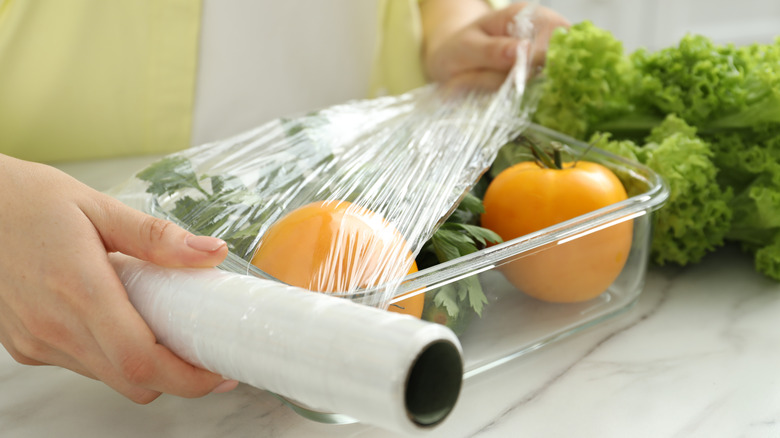
Because thin plastic is commonly non-recyclable, many shoppers are ditching plastic bags for reusable grocery bags instead. But it's still very difficult to avoid plastic food packaging. From produce to ready meals, thin plastic and plastic wrap can be found across most grocery items — even the internal packaging in cardboard-boxed goods is soft plastic.
Plastic wrap and materials like it are difficult to recycle for a number of reasons. The soft quality of this material can be prone to causing blockages throughout the processing plant. When this type of plastic becomes entwined with other products and machinery, it is not only a time-consuming fix, but can become dangerous to workers. Additionally, thin plastic packaging often directly interacts with food, which could cause bacterial growth and disrupt the recycling process. Many soft plastics require specialized equipment to ensure proper processing and cleanliness.
You'll want to keep in mind that you'll unlikely be able to toss this material in with your recyclables headed to standard recycling plants. As is common with difficult-to-recycle products, you'll likely need to keep thin plastics separated from the rest of your recycling, and take them to a specialized facility. For those who hope to recycle soft materials, its imperative that you properly clean all remaining food traces. Even specialized facilities don't take recyclables that expose the system to contamination risk — it could cause a whole batch of recyclables to be tossed out.
Greasy pizza boxes
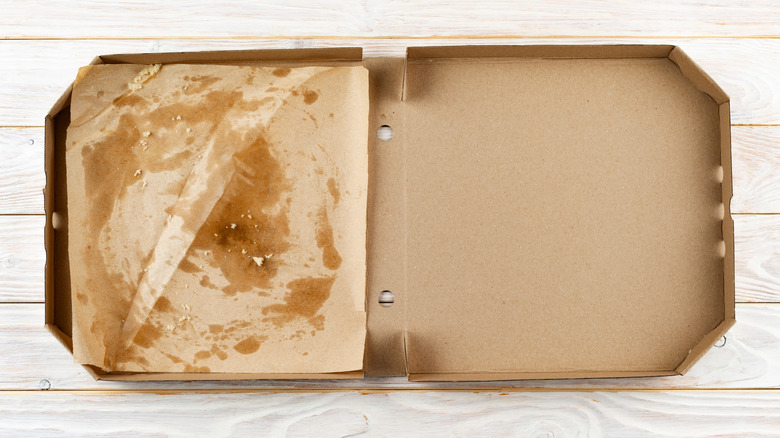
Though cardboard is often accepted as a recyclable material, greasy pizza boxes densely laden with food residue are not. This has to do with efforts to reduce contamination throughout the recycling process. These facilities rarely have the resources to deep-clean contaminated recyclables. As such, trying to recycle them may slow the recycling process or worse.
The grease and food residue common on takeout pizza boxes can become an issue for recycling plants in many regions, as it can contaminate batches of cardboard pulp. It's also worth knowing that recyclables may sit for awhile before they're actually processed. That gives food residue and grease time to result in unwanted bacteria and mold growth, which can cause pest issues, resulting in health and safety problems down the line. And even if there are facilities that process greasy cardboard in your area, you'll commonly have to bring it to the recycling plant directly — as opposed to leaving it out amongst standard curbside recyclables.
The rules can of course vary based on specific municipal processes. Some cities and states seem to take greasy boxes within reason (some residue, not entirely soaked through). To be safe, you can always tear away grease-stained sections of the cardboard and throw that in the trash. This reduces the risk of pests and hold-ups in the recycling system. Another alternative option may be composing, but if you don't have your own compost pile, it depends on the types of recycling facilities your city operates.
Netted produce bags
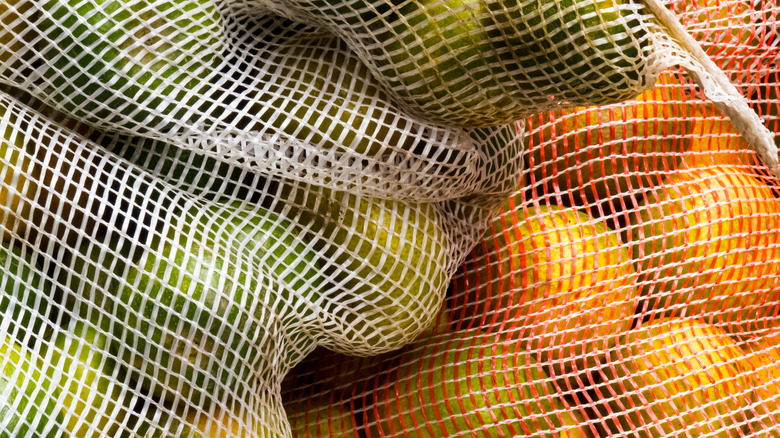
Netted produce bags may be convenient for airflow and transport, but they join the unfortunate list of food packaging materials that cannot be recycled. As with thin plastics and plastic bags, net bags can get stuck in the sorting equipment, causing blockages and dangerous jams that can hold up the recycling process. Most cities don't have a recycling plant that accepts them through general pickup, as they're fiddly and tedious to sort.
This type of food packaging is also very difficult to process because it's often made with various types of plastic. Because this type of soft plastic is difficult to break down, you can't just drop mesh produce bags into commingled curbside recycling. This isn't to say there are no options. Every city is different, and it's worth researching specialized facilities that will take soft plastics before tossing these netted bags in the trash. For example, in Los Angeles, if your stretchy mesh bags are made with No. 1, 2, or 4 plastics, they're generally recyclable.
There are many reasons recycling plants can't process or accept certain packaging items, including the plant's capacity, sorting methods, cleanliness, and operation protocols. Some items are merely just expensive to recycle and that's why they don't make the cut. Food residue and buildup can contaminate these processes too, negatively impacting efficiency. Because recycling legislation varies state by state and changes all the time, you'll want to keep up with recycling laws which are outlined on various websites like the National Conference of State Legislatures (NCSL), or Waste Drive. These sites and many others help make it easier to know where and how to recycle different types of food packaging.