

When To Use Cheaper, Higher-Fat Ground Beef In Your Meal And When To Splurge On Lean
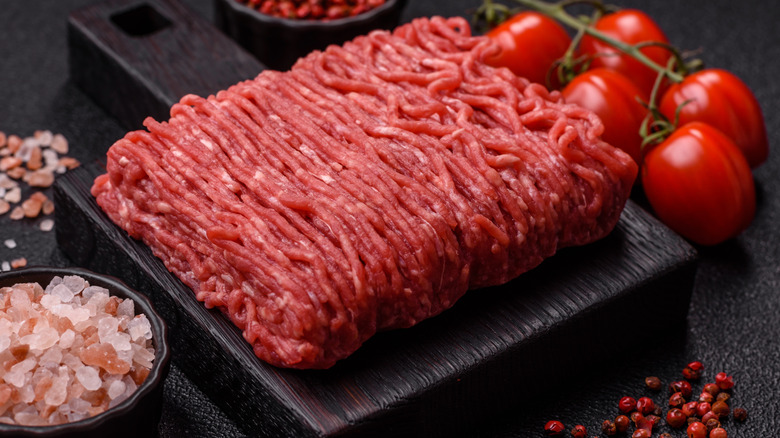
Cooking delicious meals with ground beef is easy because of its versatility, especially when you know how to choose the best ground beef at the grocery store. Selecting a grind with the optimal fat content for your recipe can make all the difference. To learn how to choose between higher fat or lean ground beef for your dishes, we spoke with Dagan Lynn, executive chef of "Beef. It's What's For Dinner."
Strive for a balance between cost, fat content, and your culinary needs to determine which kind of ground beef to purchase for your recipes. Knowing how to cook with different lean-to-fat ratios is key. "High-quality ... ground beef is ... about using the correct grind for dishes where texture, moisture retention, and fat management are essential," Lynn explained. Ground beef is available with numerous lean-to-fat ratios, which indicate the percentage of lean meat to fat content; popular options include ground chuck (typically 80/20), ground round (usually 85/15), and ground sirloin (often 90/10), with average prices around $6 to $7 per pound. However, higher fat ground beef is cheaper than lean ground beef.
"If your ground beef is higher in fat content, make a dish where you can properly brown and drain the fat rendered from the meat," Lynn suggested. But if you're cooking with leaner ground beef, it works to use it in recipes that require less moisture, so you don't have to worry about draining the fat, he explained.
Recipe ideas for higher fat and lean ground beef
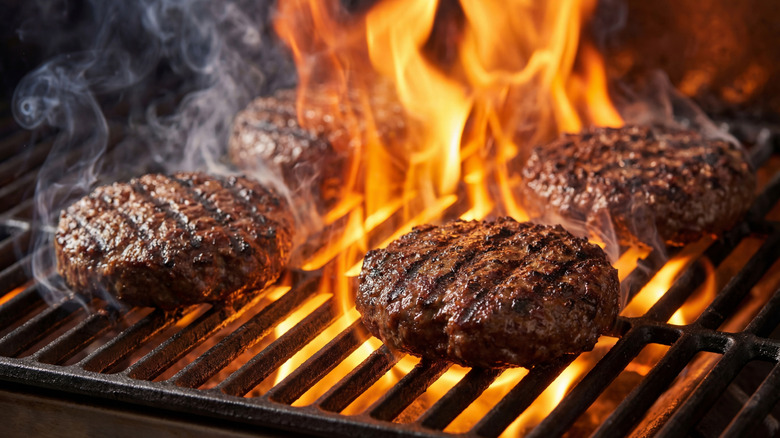
Beef's fat content influences its flavor and texture. When you cook ground beef, the fat melts and bastes the meat, making it flavorful and juicy. The additional fat also helps the beef brown, creating a crust. Recipes that benefit from cooking with higher fat ground beef are those in which moisture is key to producing the best flavor. "One of the classics I love to make is burgers, which rely on ground beef's juiciness and structure. I always choose an 80% lean ratio to ensure my burgers hold their shape well while cooking and maintain moisture," Dagan Lynn explained, adding that this ratio also works well for meatloaf, meatballs, and Salisbury steak. If you use leaner ground beef in these recipes, they can turn out drier and less juicy. To get the best results, Lynn uses a gentle touch to avoid overworking the meat, which can create an unwanted dense texture.
There are dishes that benefit from using leaner meat. Lynn suggested using lean ground beef for lasagna, stuffed zucchini or peppers, and casseroles — recipes where you might not be able to drain excess fat during the cooking process. Lynn said for these dishes, using a 95% lean ratio is optimal. "Using a higher fat content blend for recipes like this can lead to the dish being greasy or soggy," he explained. If you'd like to experiment, try making some old-school ground beef dishes to test out the different grind varieties for your culinary needs and taste.