

It's Not Worth Paying For A Marble Rolling Pin, Except In This One Case
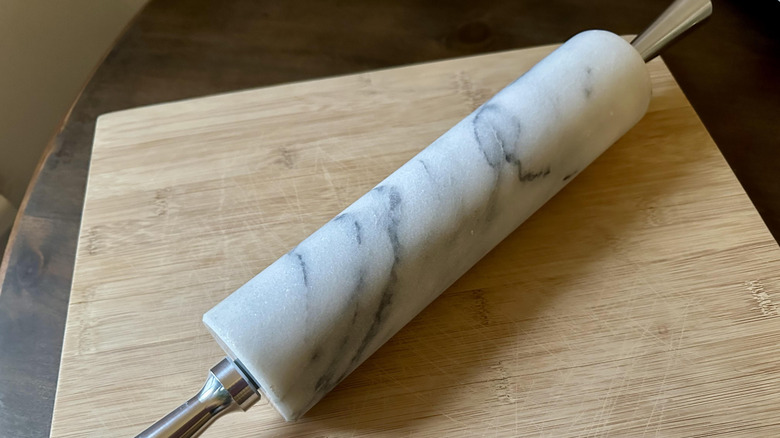
Browse through any well-stocked kitchen supply store and you'll find that it's incredibly easy to overspend on cooking gadgets. Bakers are especially at risk of breaking the budget, as every new tool promises to make baking easier, faster, or more fun. Before you pull out your credit card, however, make sure you're investing in something you actually need. Marble rolling pins, for instance, look beautiful, but they're only really useful for recipes where the rolling pin needs to be chilled.
If you've been drooling over the marble rolling pins in the Williams Sonoma catalog, but you're not sure if they're worth the splurge, consider whether you'll actually need a chilled rolling pin. Most home baking recipes for pie crusts and cookies will work just fine without a cold roller, but layered pastries like croissants absolutely benefit from a cold rolling pin to prevent the butter in the dough from melting. If you make a lot of homemade puff pastry, a marble rolling pin is a reasonable investment (as long as you don't make the common mistake of rolling over the edges of the dough). For everyone else, a regular straight rolling pin will work just fine.
Marble rolling pin pitfalls
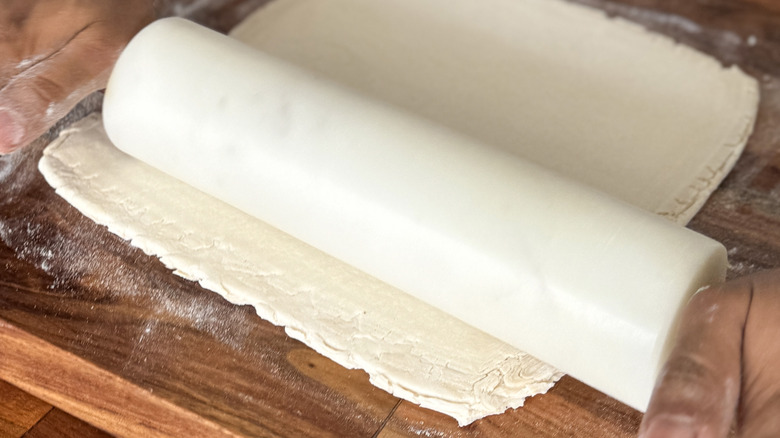
If you're ready to buy a marble rolling pin, keep in mind that they come with a few drawbacks. First, they're heavy. While this might feel great in your hands and make quick work of a ball of overchilled dough, it can also be overkill and give you less of a feel for the dough. Delicate doughs like pâte brisée or pâte sucrée can get overworked or simply squished too flat from a marble rolling pin (yes, how you roll pie dough matters).
It's also possible to overchill a marble rolling pin, which can attract moisture to the surface of the marble once it's out of the fridge or freezer, similar to a frozen beer mug. The condensation can mix with the flour on the surface of the dough, making it sticky. When this starts to happen, you'll need more flour to keep the surface from sticking, which can lead to tougher dough. The butter also needs to give a little bit without melting, so a pin that's too cold won't encourage the butter in the dough to relax. Marble rolling pins only need to chill for 20 to 30 minutes before rolling unless a recipe says otherwise.
If you don't mind these drawbacks, a marble rolling pin is a useful and attractive tool to have in your kitchen in the right circumstances. But if you don't regularly need a chilled rolling pin, it's definitely more of an option than a must-have.