

What Makes Coffee 'Specialty'? The Actual Criteria, Explained
If you're a self-proclaimed coffee snob who only tends to reach for third-wave style coffee, you likely have a pretty specific idea of what specialty coffee looks like. You might be on the hunt for something that's single-origin, rather than a blend of different coffee beans, or beans from high-profile, well-respected coffee roasters like Verve or Blue Bottle. Either way, the actual definition of specialty coffee, maintained by the nonprofit Specialty Coffee Association, is pretty broad, and although it can still be pricier than a big tub of pre-ground Folgers, it doesn't need to break the bank.
The SCA evaluates coffee blends based on four main assessments to determine whether they have the right to claim the title of specialty coffee: the physical characteristics of the beans, the flavor profile of brewed coffee, consumer preferences, and processing and sustainability practices. The goal is to identify coffee that truly is special, not just because it's more expensive, but because it offers value to the coffee world via innovation, flavor, consumer excitement, and adherence to ethical responsibility. In fact, you can even purchase one certified specialty coffee brand at the local Dollar Tree, albeit a rather small serving of it. That's right — even cheap coffee brands can taste good.
A deep dive into the scoring criteria for specialty coffee
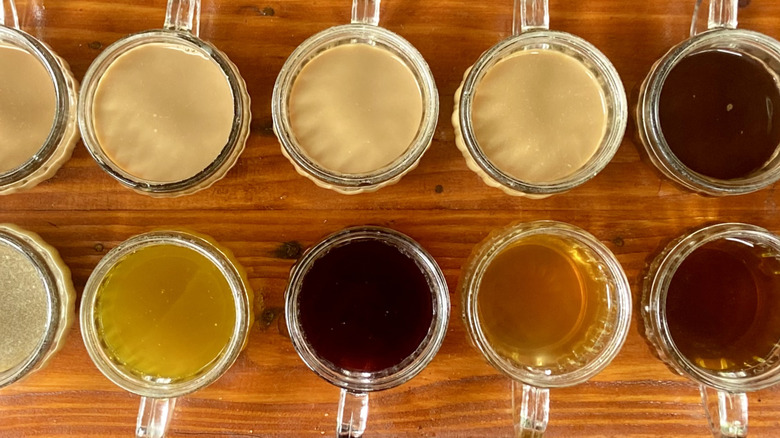
Just like food, coffee preferences can be very subjective, so it's hard to imagine a logical, unbiased process for judging which beans are the fairest of them all. The Specialty Coffee Association has truly tried their best, though, creating a nearly 75-page document detailing their process for assessing coffee value and sharing it with the public. So whether you want to do a little coffee tasting session at home or you're just curious, here's a glimpse into what professional coffee judging is like.
The criteria seek to blend subjective factors, like coffee flavor notes, with objective factors, like the color, size, moisture content, and other aspects of coffee beans. They also consider extrinsic qualities that require a little more research, such as how the coffee was processed and how it affected the economy of the coffee chain. If one type of bean doesn't have a great flavor, but was produced by a company that pays its employees fair wages and uses processes that seek to avoid harming the environment, one person might value it more, while another person might care most about flavor, and little about a coffee's backstory. The SCA seeks to capture all that nuance in what value truly is. Some people value the highest quality coffee ingredients, while others care about the journey it went on to reach their cup.
It's also important to note that this test is an overview of the quality of green coffee (or unroasted, raw beans), not a roastery's ability. During the assessment, each type of green coffee is roasted similarly so as to avoid an excess of variability. So a specialty coffee bean, roasted poorly, might still not taste as good as a non-specialty bean, roasted quite well.