

The Effortless Way To Make Grilled Food Taste Like It Marinated Overnight
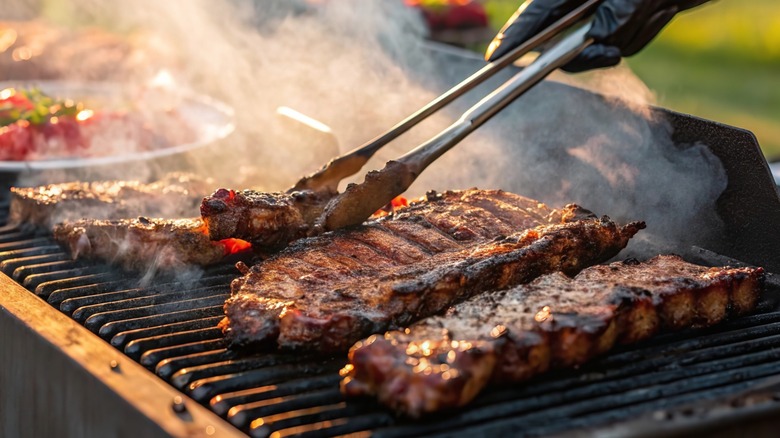
Grilling and marinating go hand-in-hand. Often, the secret to perfectly charred, complex flavor isn't just in the coals — it's how you treat the meat before it hits the heat. It's an all-too-common occurrence warned against in all the best beginner's guides to grilling: Impatience can get the better of you and before you know it, the fire is roaring, your tongs are ready, but the protein hasn't had enough time to marinate. But what if there was a shortcut?
There is, and it comes from a pantry staple usually associated with baking, not barbecue. Buttermilk powder works as a fast-acting alternative to a traditional wet marinade, giving grilled meat the tangy, tender, overnight-marinated result in a fraction of the time. To understand why, we turned to two specialists: Matt Abdoo, executive chef and co-founder of Pig Beach BBQ (with locations in New York, Boston, and Florida), and Christina Wessel, a food scientist and product innovation lead at Plexus Worldwide.
Abdoo told us buttermilk's natural acidity is a great tenderizer, like vinegar or citrus, which helps keep the meat from getting mushy. Acidity weakens protein bonds and loosens muscle fibers, letting meat retain more moisture during grilling. He also noted milk proteins help form a light surface coating. As meat cooks over high, direct heat, those milk proteins caramelize, creating a golden crust with deep, savory flavor reminiscent of the Maillard reaction. But the difference between the Maillard reaction and caramelization is the resulting sweetness level.
The science behind why it works
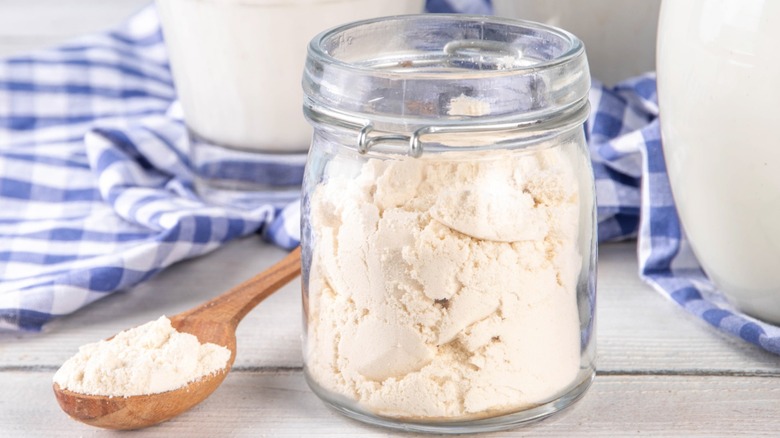
Marinades are often made with a liquid ingredient — for example, a perfect steak marinade needs some combination of acid and oil, as well as seasonings like salt, pepper, and herbs. But the secret of using buttermilk powder (and why it works so quickly) is the lack of any liquid at all. Instead, the process is considered dry brining — something usually done with salt, but less so with acidic compounds. So how does it actually work?
According to Christina Wessel, "When you add buttermilk powder on meat, the salt pulls the moisture that is in the meat, to the surface." That moisture breaks down the powder's protein and lactic acid, creating a thin slurry the meat can reabsorb. Lactic acid lowers meat's pH, Wessel explains, which loosens muscle fibers, improving tenderness and helping meat hold onto moisture during cooking. Meanwhile, milk solids caramelize over high heat, building aesthetic coloring and boosting flavor.
Wessel notes drying fresh buttermilk into powder reduces its enzymatic activity, so you're not getting the full tenderization of fresh buttermilk. But its acid components are still effective, which is why the technique works so quickly. The result is the tangy, savory flavor profile associated with lengthy marinades — without the hours-long wait.
How to use buttermilk powder and its alternatives
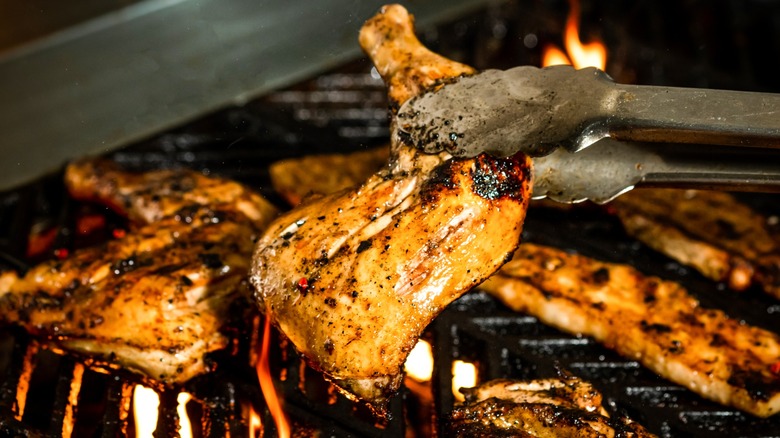
Using buttermilk powder as a marinade for grilled meats is simple, and you don't need much to get great results. It's fairly punchy stuff, so 1 to 2 tablespoons is a good starting point. Season with salt to taste, then let the meat rest uncovered so its natural moisture can rise to the surface and activate the powder. About an hour of marination will be plenty for most cuts, though bone-in pieces like chicken legs may benefit from a little longer. If you have more time, you can leave your meat to dry brine for up to 24 hours in the refrigerator for ultimate tenderness and tangy flavor.
For a more traditional approach, you can also hydrate your buttermilk powder to make, well, buttermilk, and use that for a classic brine for your proteins. When it's time for the meat to hit the grill, don't wipe the marinade off. High heat will caramelize the milk solids into a golden, flavorful crust, giving you meat that tastes as if it spent the night in a marinade. It's science doing its best impression of magic.
If you don't have buttermilk powder on hand, Matt Abdoo says a classic dry brine is a good fallback. He explains salt draws moisture out, dissolves into liquid, carrying seasoning back inside the meat as it's reabsorbed. Once inside, he says, salt helps denature proteins, making sure the meat stays juicy and tender while developing a deeper flavor during cooking. Though this salt-only method doesn't offer the same acidity-driven tenderization, it still produces reliably excellent results.