

How To Make Tuna Sashimi At Home Like A Pro
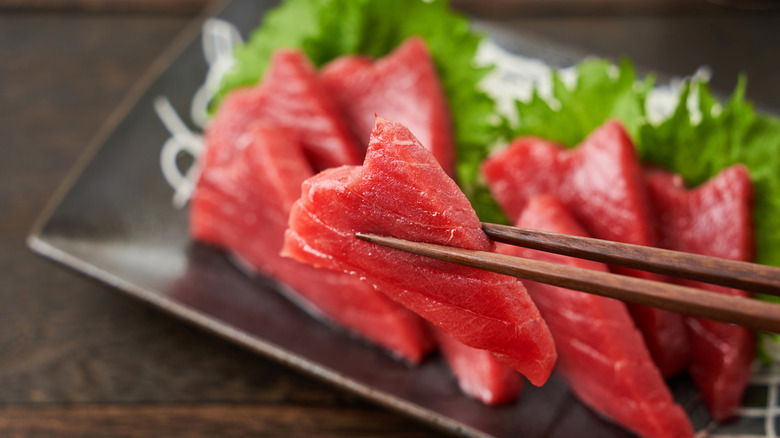
Tuna sashimi has a unique aura. It looks deceptively simple on the plate, but behind those ruby slices lies a craft that rewards steady hands, chilled nerves, and a kitchen that smells faintly of ocean air and ambition. The whole thing begins with a block of tuna that feels like a cold promise. Not the tired pink slabs tossed in grocery stores or supermarket fridges, but sashimi grade fish from someone who knows what they are selling. The surface should gleam like polished stone. The flesh should speak through its color. Anything dull or mushy deserves a brisk goodbye.
Cold is the secret heartbeat of clean cuts. Slip that tuna into the fridge while you gather your gear. A knife that sharpens your awareness as much as it sharpens itself. A cutting board scrubbed clean enough to pass a drill sergeant's inspection. A plate chilling quietly like a stage waiting for the performer. Hold the knife so the blade becomes an extension of intent. No sawing. No half thoughts. Just one confident pull through the fish. The Hira-zukuri slicing method gives you thick rectangles that flaunt the meaty heft of tuna. Let the blade slide at a steady angle and the slice will fall away like silk. Move each piece aside with the reverence of handling rare stamps. Wipe the knife after each cut so the next one glides through without dragging yesterday's residue. Precision becomes its own kind of meditation.
How to plate, pair, and present sashimi
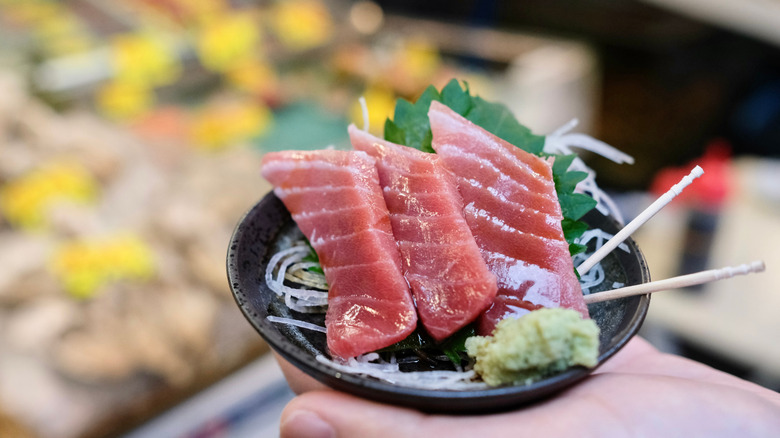
Plating sashimi feels like building a tiny landscape. Not the neat garden path of a polite dinner party, but a wilder terrain where height and restraint bicker and then shake hands. Start with daikon shredded into snowy strands and pile it gently so it stands like a small hill near the top of your plate. Drop a shiso leaf on that mound and suddenly the whole scene feels intentional. Now let the tuna slices fan out from that peak. Skin side up if you have it. Grain glowing. Edges clean. Think of the plate as a quiet stage with dramatic lighting. Approximately 20% to 30% of it should stay empty. Space speaks louder than clutter.
Odd numbers an charm the eye and trick the brain into believing you meant every choice. Three slices look confident. Five look festive. Slip in garnishes that flirt without shouting: a lemon slice, a curl of carrot, a sprig of daikon sprouts. Colors should accent the tuna, not upstage it. Restaurants often place mild sashimi near the eater and stronger ones at the back so the flavors climb instead of crash.
Pairings do not need to be theatrical. Soy sauce in a small dish. Wasabi that is fresh enough to sting but not bully. Similarly that sushi-restaurant-worthy pickled ginger that resets the mouth like a brisk breeze. When everything is cold, clean and balanced, the plate gains a quiet authority. The tuna becomes the star. The kitchen becomes a tiny shrine. And your dinner suddenly feels like a moment worth pausing for.