

What Your Oven's 'Self-Clean' Function Really Does
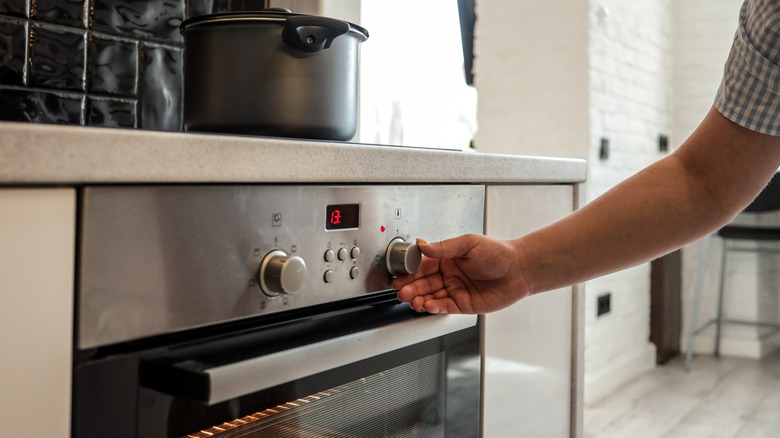
Every oven (convection or conventional) carries its own little myth. And what about that "mysterious" self-cleaning option? Some people think the self-clean button hides a squad of tiny scrubbers armed with steel wool. Others imagine it as a portal that swallows grime and guilt in one fiery inhale. The truth is stranger and far less glamorous. A self-clean cycle is a controlled inferno that turns last month's lasagna shrapnel into a gray puff of ash. It is the oven's version of a volcanic spa day. High heat models crank themselves up to temperatures that flirt with 800 degrees Fahrenheit. Anything left on the walls does not survive. It is reduced to dust that waits patiently for a damp cloth. Nothing more mystical than that.
Then there is another option: steam cleaning. Steam clean cycles are the quieter cousins. They do not scorch. They do not roar. They just simmer. Water heats to roughly 400 degrees Fahrenheit and softens the crud that fell victim to gravity. It is meant for the little spills that happen between real cleanings. Steam cycles finish in about one hour and cool down before the oven even decides to sigh. High heat cleans take anywhere between an hour and 30 minutes and three hours, sometimes more, depending on how enthusiastic last night's whole chicken roast was.
Before hitting the button, the oven demands a polite gesture. Loose pans and foil must leave. Crumbs should be wiped out. The vent must breathe. The kitchen needs open windows or an exhaust fan because the cycle can send out fumes that make the air feel slightly haunted. Pets with sensitive noses need space in another room.
The strange etiquette of letting your oven clean itself
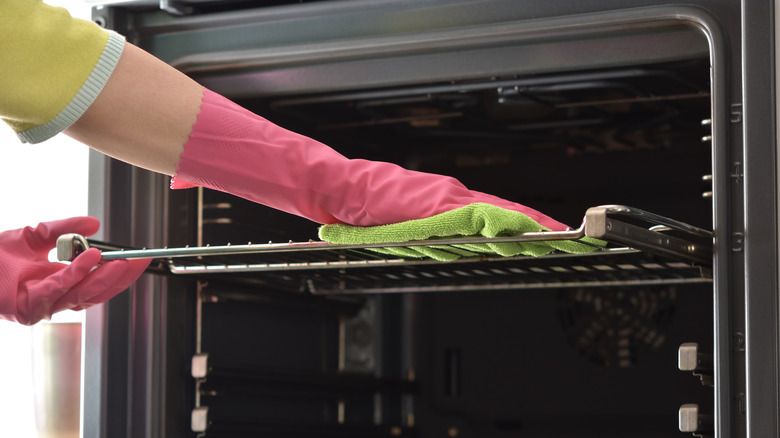
A self-clean cycle likes to pretend it is a full household event. It locks its own door like a Victorian aunt who needs privacy. Once it starts heating, there is no polite entry. The interior becomes a blast furnace that melts stubborn bits of that store-bought pie crust into unrecognizable memory flakes.
Manufacturers design cycles based on soil levels — light, moderate, or heavy. Translation: how many times the oven has been used as a battlefield. Running self clean before the filth becomes ambitious prevents smoke and angry fumes. People who roast often may use it more. People who bake gently may barely touch the button. Even with the feature, a manual scrub of the oven door glass is unavoidable. Every oven has at least one stubborn streak.
The question people ask most often is if they can clean the oven manually instead. Absolutely. Soap and water work fine in between big cleans. The self-clean cycle is not mandatory. It is simply the closest thing modern kitchens have to a built-in fire ritual. Steam clean is calmer but needs more elbow grease after. Both exist because someone, somewhere, refused to spend weekends scraping fossilized cheese with a butter knife.
In the end, the self-clean button teaches one thing. The oven is capable of heroic work, but it expects a witness. It comes alive with heat, smoke, and a little drama, then leaves behind a calm space that looks ready for the next kitchen disaster.