

Never Store Wet Produce In Your Fridge. Here's Why
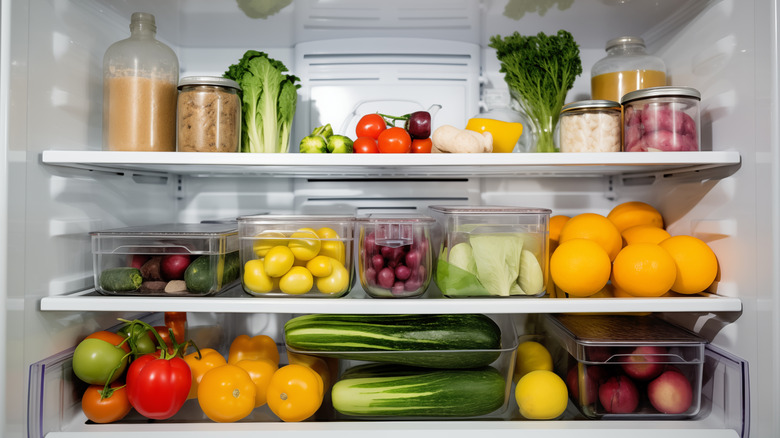
Most of us don't spend too much time thinking about how to properly store produce in the fridge, but it's something that should be taken seriously. Incorrectly using the crisper drawers and using the wrong containers are storage mistakes that can ruin your food. Additionally, it can be tempting to wash your fruits and vegetables before putting them in the fridge, especially to get ahead on prep time, but you might want to think twice. Chowhound spoke exclusively with Megan McCarthy, edible garden chef and Have a Plant ambassador for the Foundation for Fresh Produce, and her advice is to avoid putting wet produce in the fridge.
"Excess moisture is the enemy of freshness," she says. "When produce sits wet in the fridge, that trapped moisture creates a humid microclimate that encourages mold, bacterial growth, and faster decay." She notes that delicate produce with thin skins or leafy surfaces is the most sensitive. That includes berries, leafy greens and herbs, stone fruits, and mushrooms. These absorb moisture easily or have high water content, so any dampness accelerates spoilage. "Think of it like this: Produce 'breathes,' and too much moisture suffocates it," says McCarthy.
Tips to keep produce fresh in the fridge
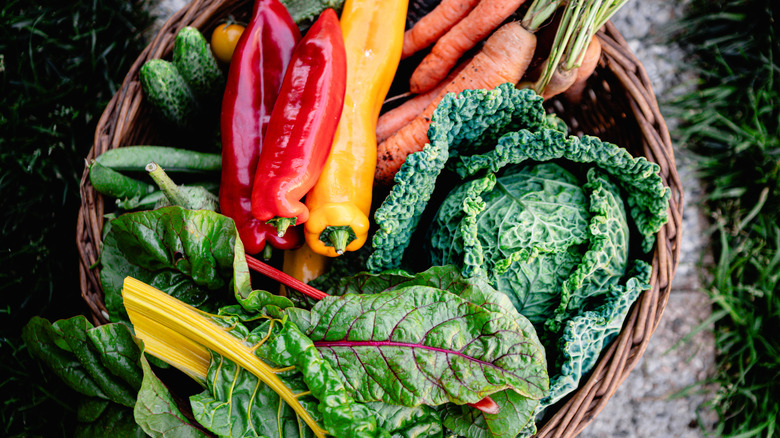
There are several ways to prolong the life of your fresh produce, and keeping things dry is at the top of the list. To maintain a dry environment in the fridge, Megan McCarthy recommends rinsing your produce before use rather than before storage. She also suggests lining drawers with paper towels to absorb any excess moisture and extend freshness. "Fresh food is living food. If you treat your produce gently — keep it dry, cool, and well-ventilated — you'll not only reduce waste but also get the most flavor, texture, and nutrients from every bite," she says.
Second to keeping produce dry, it's also a good idea to use breathable containers. Airflow is important for maintaining the freshness of produce, and ventilated or mesh produce bins help it breathe. McCarthy recommends separating fruits and vegetables, saying, "Ethylene gas from ripening fruits, like apples or bananas, can make veggies spoil faster."
Finally, though the majority of produce needs to be dry to thrive in the fridge, there are a few exceptions to this rule. Some leafy greens and root vegetables benefit from a little humidity. Similarly, carrots, celery, and radishes can be stored with a touch of moisture to prevent them from drying out. "After washing and spinning dry, wrap greens like kale, lettuce, or Swiss chard in a slightly damp paper towel, then place in a breathable produce bag or container, says McCarthy. "The light moisture helps maintain crispness without causing rot."