

How To Properly Clean Your Bamboo Steamer
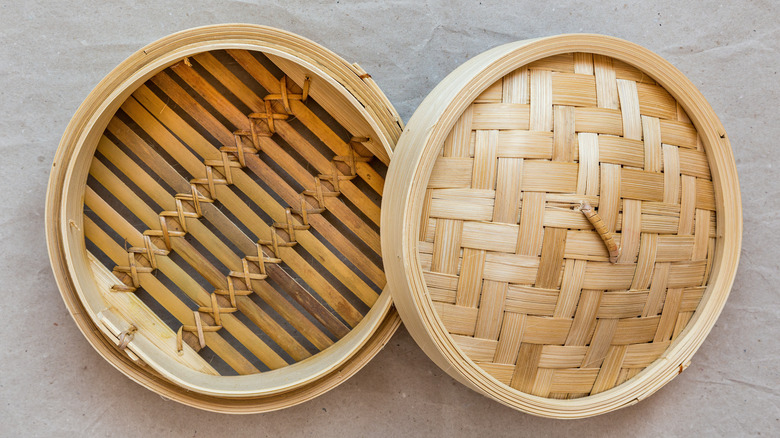
A bamboo steamer looks innocent enough. Two simple tiers stacked like toy blocks, perched on a wok, puffing away with dumplings, buns, or sticky rice. But give it one good night of neglect and it morphs into something less zen and more swamp log. Bamboo is porous, and that is both its charm and its curse. It breathes, which keeps your food light, but it also soaks up vegetable oils, garlic, and soy like a sponge with a memory.
Cleaning it is not about bleach or detergent, which would only leave your buns tasting like dish soap sadness. The ritual is closer to a tea ceremony. First, ditch the mess immediately after cooking. Do not let dumpling skins or rice crust dry in there because once bamboo hardens, it is as stubborn as a bad habit. Rinse it under hot running water and coax out the crumbs with a soft brush. Think massage, not scrubbing. Aggression only splinters the delicate weave. Then comes the most overlooked part: drying. A damp steamer shoved into a dark cupboard is basically an invitation for mold to move in and set up shop. The right way is to prop it up in sunlight or near a breezy window until the wood feels bone dry.
Do this, and the bamboo keeps its pale glow and light fragrance. Skip it, and you will wonder why your next batch of dumplings smells like last month's fish.
Keeping bamboo steamer care from becoming a tragedy
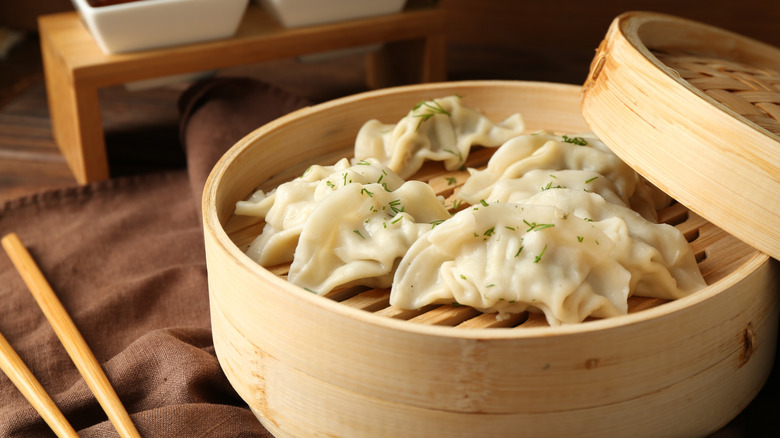
A bamboo steamer ages like cast iron, only fussier. Over time, it picks up a patina of flavor, which is lovely until it turns into a ghost of meals past. That is why the trick is to keep it seasoned but not haunted. Line the steamer with parchment paper or lettuce leaves before cooking so food does not weld itself to the slats. This is not just about convenience. It keeps the bamboo from absorbing too much grease, which is what turns a sweet-smelling steamer into a greasy relic.
If you feel tempted to dunk it in soapy water, stop. Soap slides into the bamboo's pores and stays there, waiting to ambush your next batch of bao. Vinegar water is the better weapon if you need to banish stubborn odors. A quick rinse with diluted vinegar, then another blast of hot water, resets the balance without wrecking the wood. Some cooks even toss in a star anise or two while steaming water through it as a kind of fragrant exorcism.
Above all, air is your ally. Store it in a dry, open place, not clamped inside a plastic bag. A bamboo steamer hates suffocation. Treated right, it can last for years, turning out dumplings as fluffy as clouds and buns that sigh when you tear them open. Treated wrong, it rots, cracks, and betrays you with mildew.