

The Slow Cooker Staple Meal You're Not Adding Hot Sauce To (But Should Be)
We may receive a commission on purchases made from links.
The textures of any good chili depend on contrast, with soft beans, hearty ground beef, silky sauce, fresh cilantro, crispy peppers, and creamy cheese and sour cream. The flavors, on the other hand, need to meld together so the chili tastes well-balanced. The secret to combining all the ingredients' flavors is time, and lots of it. A slow-cooked chili simmered for several hours tastes good; eat it the next day, and it'll usually taste even better.
Unlike many slow-cooked dishes that require occasional monitoring or stirring, making chili in a slow cooker is a turn-on-and-walk-away process. The flavors of the ingredients develop on the cooker's low heat over several hours. However, there are a few things you can do to ensure that the richest flavors develop. One is browning the meat and sautéing any vegetables beforehand to concentrate flavor. The other is adding a sufficient range of ingredients to give your chili those punchy tasting notes. While you may be in the habit of layering on hot sauce only when serving, it can actually work better when used as an ingredient instead of a topping.
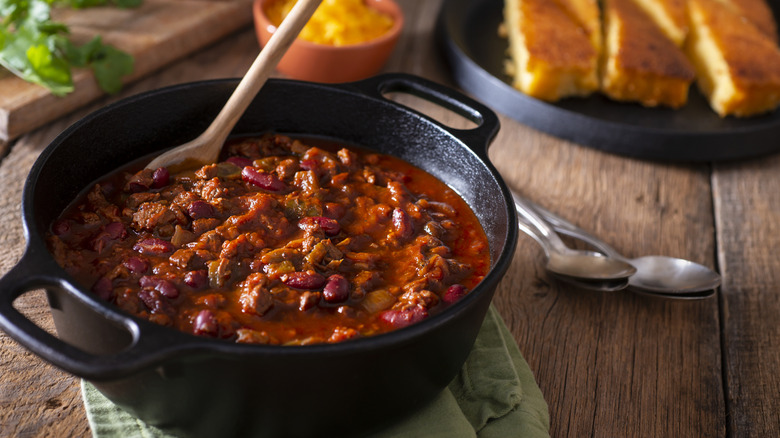
A good hot sauce will channel many of the tasting notes that should appear in chili — heat, acidity, and a balance of sweet and savory. When cooked slow and low, these flavors bloom and permeate through the other ingredients. Considering chili is often made using cheaper cuts of beef, the right hot sauce could help elevate your next batch of chili by infusing complexity and controlled heat, and a good place to start is with this spicy slow cooker beef chili recipe.
The benefits of slow-cooking spices, and the best hot sauces for slow cooker chili
When using time as a crucial ingredient to let flavors bloom, hot sauce works much in the same way as chili. This is why aging is actually an important aspect of hot sauce making. Slow-cooking also works especially well with spices because low heat helps release more flavor. Without the additional cooking time, you may get most of the heat from a spicy ingredient, but a lot of its additional tasting notes remain undeveloped. Over time, the flavors released from spices also infuse into other ingredients, giving the dish a rounder, deeper heat.
While you may simply want to use up the rest of that dwindling bottle of hot sauce in your cupboard, be careful when adding the spicy condiment to your chili. Since the flavor and heat intensify over time, too much could end up overpowering the dish. A mediocre hot sauce could mask all the complex flavors developed over the extended cook. A good hot sauce that's suited to your chili recipe, however, can mitigate the risk of overpowering other elements while also helping fill in any flavor gaps in the recipe.
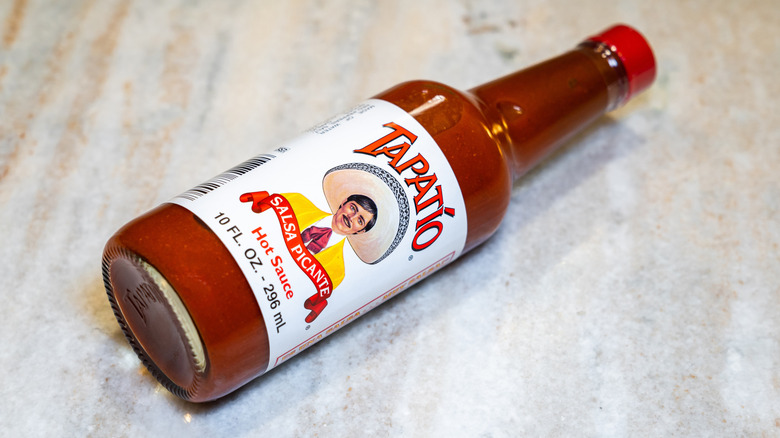
Tabasco has a strong acidic profile and relatively mild, peppery heat — great for adding to a chili recipe that doesn't have vinegar or other acidic ingredients. For more complexity, look for hot sauces that contain peppers along with other flavorful ingredients, like the Secret Aardvark Habanero Hot Sauce, which includes fire-roasted tomatoes, onion, mustard, and garlic. Or, if you're looking to give your chili a gourmet upgrade, consider picking up the umami-rich Truff Original Black Truffle Hot Sauce. You can still use the same hot sauce as a topping as well, or mix things up by using one as an ingredient and another as a serving sauce.