

Why Fresh Ginger Is Getting More And More Expensive
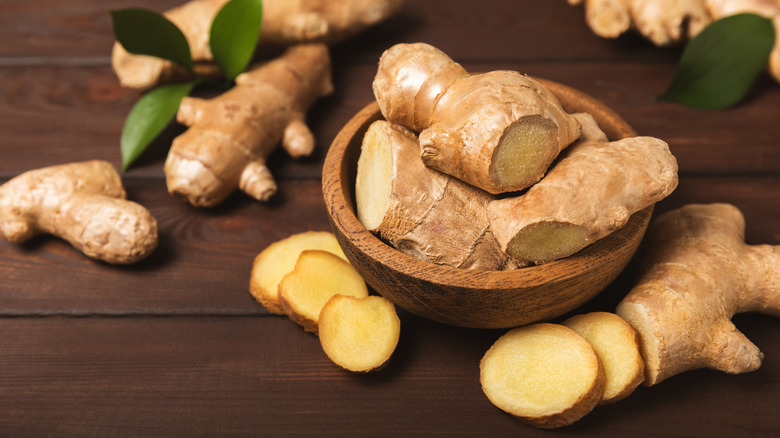
Chances are, you've probably received a bit of a shock when shopping for some fresh ginger at your local market. It isn't just your store; ginger prices have gone up quite a lot in the last few years, and according to forecasts, prices are only going to get higher. This is mainly because Peru, a key supplier of fresh ginger, has seen local farms and suppliers shut down due to the high costs of shipping and manufacturing, resulting in a 43% decline in their ginger exports since 2024. On top of that, other major ginger suppliers such as Costa Rica, Honduras, and the Philippines have had their own unique troubles, from bacterial diseases ruining nearly 40% of Costa Rican crops, to aggressive weather patterns like El Niño drying out Philippine farmland — and, on the opposite end of the spectrum, typhoons wiping out Philippine crops.
The ebb and flow of a crop supply is the natural way of the world, but in this case, the shortages of ginger are also meeting at a crossroads with increased demand. Around the world, ginger usage is growing as the Western world embraces its flavors in everything from Asian-inspired dinners to beverages. At the same time, supply struggles to keep up for the reasons mentioned above. Now, as more people look to use high-quality and fresh ginger in their kitchens, they have a few choices: Use something else, use an inferior form of ginger, get the less fibrous and less tasty, cheaper Chinese ginger, or pay up. Based on historical wholesale prices, it looks like people are opening up their wallets and getting the good stuff, and are going to keep shelling out cash for great ginger products.
Will ginger keep getting more expensive?
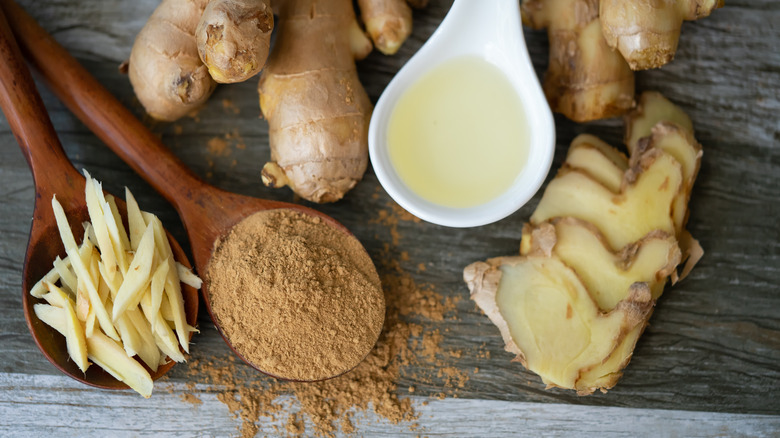
Now let's delve into some numbers. With fresh ginger production down, market research indicates that the global ginger market is expected to increase by approximately 3.15% year-over-year through 2032. That means the global ginger market, which was a roughly $7.7 billion business in 2024, will grow to $9.87 billion. With supply shocks, an overall increased demand, extreme weather, and suppliers struggling to keep up, all signs point to higher ginger prices for longer.
Wholesalers recently released a whole slew of data on ginger prices over the last three years, and have an updated wholesaler price as of April 2025. To put it in perspective, the average low price for fresh ginger in 2024 was $0.78 per kilogram, and as of this writing it's $1.06 per kilogram (via Tridge). With all other macroeconomic data, including the relative unknown of how tariffs will affect bottom-line prices, it looks like ginger's high prices could be here to stay. Perhaps it's time to stock up and learn how to freeze and store ginger properly. Or better yet, grow some! Or, why not both?