

What Makes Yeti Coolers So Expensive (And Are They Worth It)?
We may receive a commission on purchases made from links.
Yeti coolers have been the go-to premium brand choice for campers and cold drink enthusiasts for nearly two decades. They've also always been one of the most expensive cooler brands out there. That expense, in exchange for high-end construction quality and certified bear-proof resistance, has been a significant part of their brand's persona. Now, Yeti has amassed a loyal fan base that embraces its bold colors and rugged gear for an active lifestyle. But, is Yeti worth it? And what makes their coolers so expensive?
The main expense is their utilization of rotomolding, a process that is both expensive and results in near-indestructible coolers. Yeti was one of the first cooler manufacturers to utilize this process, and their "PermaFrost Insulation" is a proprietary term for pressure-injected polyurethane foam inserted into the hollow cooler shell. Before Yeti, coolers were mostly plastic ice chests and/or Styrofoam. There were some decent coolers out there, but they couldn't keep ice frozen for a multi-day camping or hunting trip. Many of them weren't nearly as durable as Yeti (generations of campers have horror stories about broken or leaky coolers they can tell you).
In recent years, however, the competition has stepped up. Not only are brands such as RTIC, Orca, Cabela's, and Igloo offering coolers built with rotomolding and insulated to keep ice frozen for days, if not weeks, but they're cheaper than Yeti.
Are Yeti Coolers Worth It?
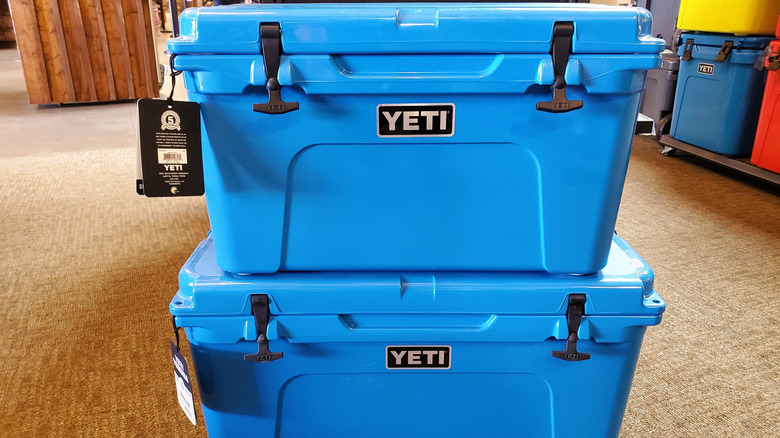
So, if Yeti is more expensive and their competition is using the same rotomolding process and pressure-injected polyurethane foam insulation, are the coolers worth it? Legions of enthusiasts have left reviews, buyer's guides have been meticulously crafted, and dozens of YouTube channels have conducted experiments consistently showing that the Yeti cooler's ice retention is a top performer. The cooler is also reliably manufactured, and Yeti has years of goodwill behind its name. Can you put a dollar amount on that? Maybe. In some cases, Yeti alternatives can be up to 50% off a similar cooler build.
However, in some instances, it may come down to personal preference, the way you plan to use the cooler, and your budget. Bottom line: the Yeti is a great cooler. It's expensive, with its flagship cooler, the Tundra 45, retailing for over $300, but it can last for years or even decades, depending on how much you use it. If you're spending just a few hours at the beach, a small tote cooler or a styrofoam cooler might be for you. Spending $50 on a medium-sized Igloo might be perfect for your situation, and those can also last for years if you treat them right.
If you're camping with the family and need your ice to last for a week, and you have a small army of kids using it as a climbing platform, booster seat, and a cooling/storage device for perishable items, then maybe spending more on a Yeti and its track record is the right move. Whether a Yeti cooler is worth it is really up to you!