

Pink Shrimp Vs White Shrimp: What's The Real Difference?
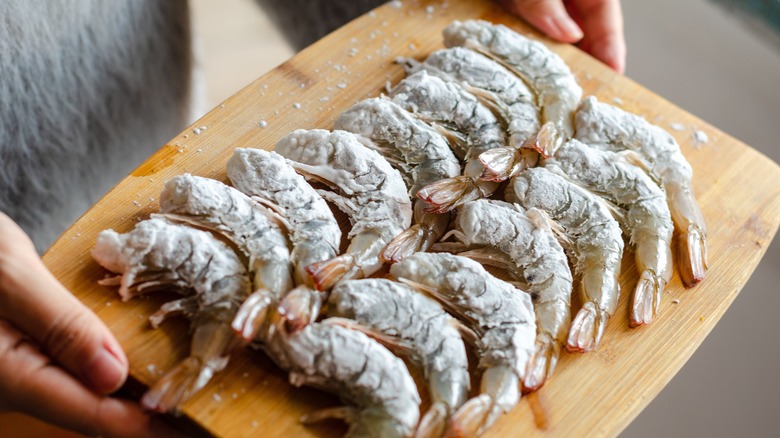
Pink and white shrimp may be undeniably identical at a glance, but their differences are so specific that you might want to reconsider switching one for the other in recipes. White shrimp (Litopenaeus setiferus) are omnivores and enjoy a plankton diet. Their whitish-gray body and green-tinged tails make them easily distinguishable in their natural state. In the United States, white shrimp will be wild-caught, but commercially farmed white shrimp are also available. And if you want to select ecologically responsible brands, watch out for sustainability certifications by the Aquaculture Stewardship Council (ASC).
Pink (or spotted) shrimp (Farfantepenaeus duorarum), on the other hand, are largely wild-capture species found along both coasts of the U.S. Raw pink shrimp vary from light white to slate-gray (certainly not pink, as the name implies). They produce a cleaner, brighter, and buttery sweetness, free of the occasional iodine flavor that is common among brown shrimp.
Differences in flavor and texture
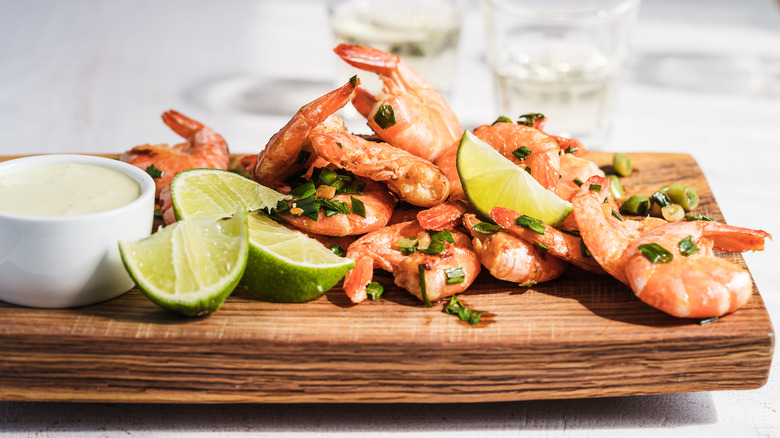
While pink and white shrimp varieties have a balanced sweetness to them, their textures are different because white shrimp have a much firmer bite. Pink shrimp are softer and not as springy, making them great for raw recipes that conserve their structural integrity. White shrimp have thin shells and meaty flesh. You'll see them turn from pale gray-white to coral as the heat denatures their pigments when cooked. They are ideal for quick sautéing and pair well with creamy pastas. Just remember that frozen shrimp does not belong on the grill ... that might lead to a mushy mess. White shrimp are in peak season in late summer or fall, so you might want to get them fresh instead of frozen at this time. Also be aware the "fresh shrimp" in the grocery store isn't always fresh.
Pink shrimp have a less structured, softer bite that doesn't hold shape when heated. With pink shrimp usually being wild caught, you may see differences in flavor from batch to batch, but this also offers the potential for more complexities and sweet flavors. Their delicateness allows for boiling and baking, or making shrimp cocktails, casseroles, or stews. In this case, you would be sacrificing the aesthetic qualities of your pink shrimp for something more flavourful. You might want to consider this route if you are not used to working with this fragile type of shrimp.
Cooking white and pink shrimp
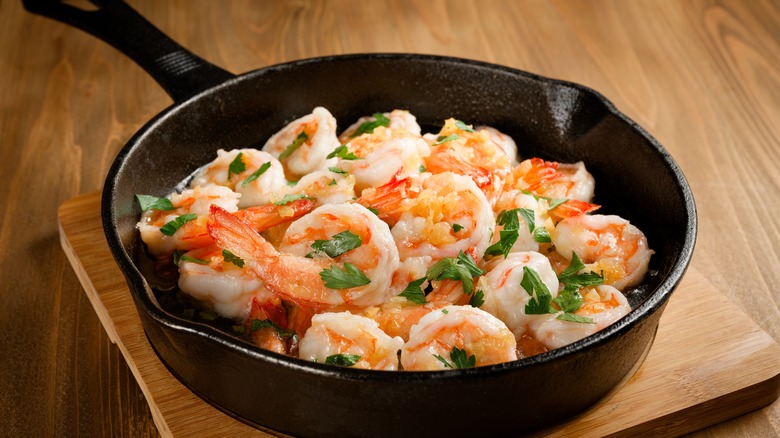
White shrimp can be incorporated into many quick recipes. For example, sautéing in garlic, simmering in coconut curries, or tossing into pasta. They also hold up well for longer cooking times, but you shouldn't overcook shrimp, as that's one of the biggest shrimp mistakes people make. White shrimp in particular can go from plump to rubbery in minutes, so always pay attention and watch them closely. When hot, their color will change from white to rosy pink.
Since pink shrimp are rich in that buttery texture, you only need to minimally augment their flavor: Grill them with olive oil and lemon or boil them to use in salads and other cold serves. And if you're making them in a pan, cook for just a few minutes, because pink shrimp cooks almost as quickly as white shrimp! And you can tell it's done when the shells turn coral-pink, or in some cases, reddish-orange.