

Stop Believing This Tired Myth About Cooking Meat. (It's Giving You Dry, Tough Results)
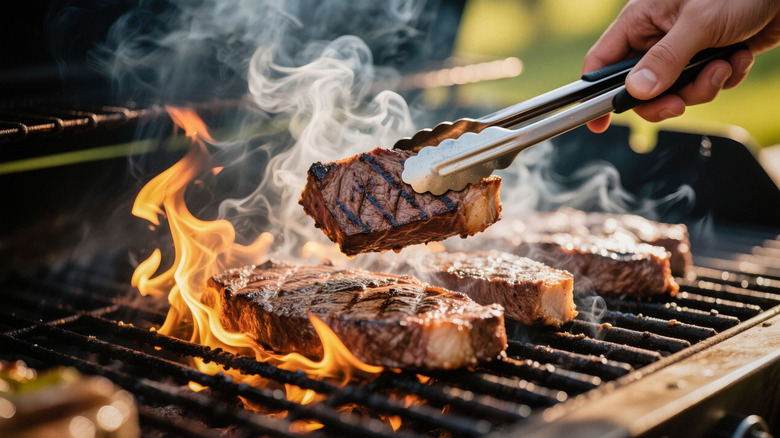
There are innumerable myths out there concerning the preparation of meat — from steaks to roasts to slow braised dishes — but one of the most pervasive and long held is that hitting your cut with a hard sear (developing a delicious crust on the outside thanks to the Maillard reaction) can "lock in" its juices, keeping the inside moist and tender. This idea actually has its roots from two centuries ago, when the infamous German chemist Justus von Liebig first made the claim — but the fact is, it's simply not true.
The myth is persistent, sure, because searing does look like its sealing something inside — especially because of the hard crust it can create when done properly. That browning creates flavor, which people often confuse for juiciness. But the truth of the matter is that believing this myth often causes inexperienced home cooks to crank up the heat and overcook their meat in the pursuit of an intense crust. All it leaves you with, though, is a dry, overcooked exterior and an underdone inside. Meat doesn't really seal when you sear it — even with the best crust in the world, juices can still escape from a piece of meat.
Think about it logically — if searing locked in juices, your steak would never dry out, no matter how long you cooked it for! Searing isn't really about moisture — but it absolutely has a place in your preparation of a great cut of meat.
How to really keep your meat juicy
So if the point of searing isn't to lock in moisture — why exactly do we do it? The answer is all about the development of flavor. Searing triggers the Maillard reaction (it's why meat changes color), where natural sugars in meat caramelize, resulting in a delicious, savory crust that's the hallmark of a perfectly prepared steak or roast. But a good sear comes with risks: Most prominently, excessive application of high heat can lead to an inconsistent final cook on your piece of meat.
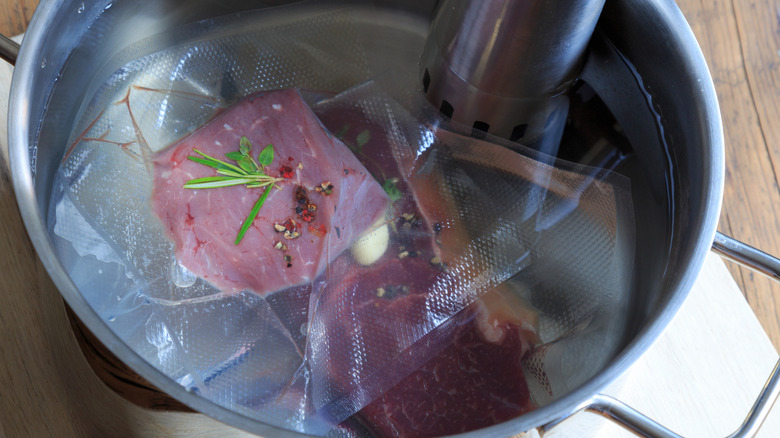
The truth is, the juiciness of meat depends on its internal temperature, not whether it was seared — which means the most important thing when cooking it is how temperature is applied. When cold meat hits a ripping hot grill, it contracts rapidly, squeezing out moisture. Pro-tip: Start by tempering your meat for an even cook as the shock of the grill is less pronounced when you begin cooking (which will also help you develop a better crust much faster). To help meat retain its juices more effectively, try a reverse sear: This method involves a low-and-slow cook, allowing the meat to evenly come up to temperature and keep those all-important juices locked inside. You can also achieve this with a sous vide machine, if you're feeling particularly fancy. Then, once your meat is up to temperature, hit it with a hard sear, which will help develop a lovely crust without risking the meat drying out as it might by searing your meat right off the bat.