The Vegetable That Makes Banana Bread Unbelievably Tender
For impossibly soft, tender, and moist banana bread, there's one key ingredient you're missing. Add this popular veggie to your recipe for the best loaf yet.
Read More

For impossibly soft, tender, and moist banana bread, there's one key ingredient you're missing. Add this popular veggie to your recipe for the best loaf yet.
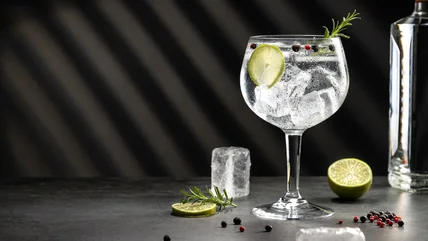
Read MoreWith aromatic juniper and bubbly tonic a gin and tonic is the perfect summer drink. Here's why drinking it in a balloon-shaped glass elevates the experience.
Read MoreIf you're cooking at high altitude while traveling -- or even when moving to a higher-elevation home -- there are some important changes to keep in mind.
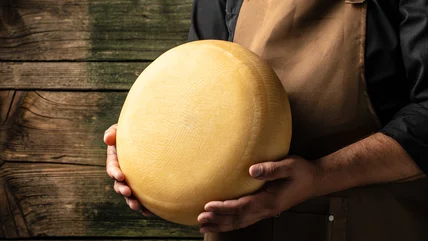
Read MoreCheese wheels aren't just created for the aesthetic. Cheese has been created and stored in wheels for centuries because science backs the method up.
Read MoreWith aromatic juniper and bubbly tonic a gin and tonic is the perfect summer drink. Here's why drinking it in a balloon-shaped glass elevates the experience.
Read MoreIf you're cooking at high altitude while traveling -- or even when moving to a higher-elevation home -- there are some important changes to keep in mind.
Read MoreIf you're trying to decide which steakhouse to dine at for your next celebratory dinner or date night, here's what you can expect from these popular US chains.
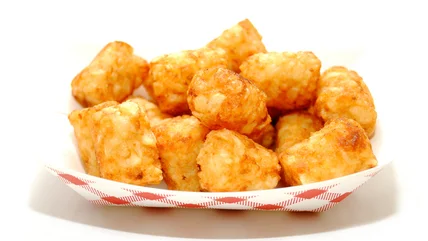
Read MoreWhether you are cooking a hearty casserole or putting a twist on a classic, frozen tater tots are the perfect canvas for culinary experimentation.
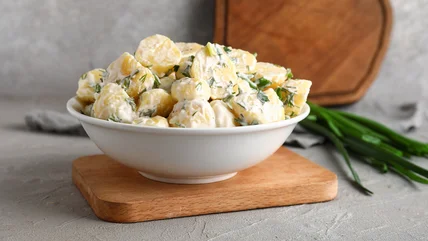
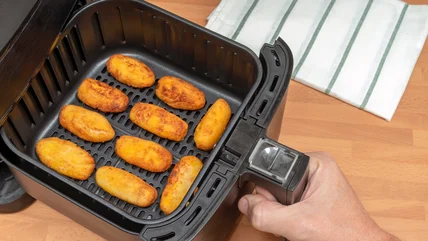
Read MoreTransform your leftover potato salad into a crunchy, tasty creation with the help of an air fryer. Here's how to do it -- and why this method works so well.
Read MoreMany adults love to drink around the world when they visit Epcot's World Showcase and there are delicious and thematic options at every pavilion, year-round!
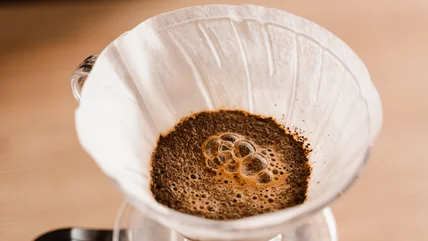
Read MorePre-wetting your coffee filters can lead to a smoother, better-tasting cup of coffee -- and it can even help prevent some logistical hiccups.
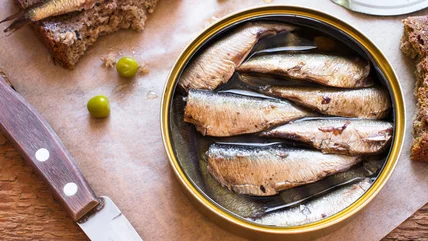
Read MoreA simple can of sardines presents a wide world of snacking possibility. This tips will turn your tinned fish into all types of tasty treats.
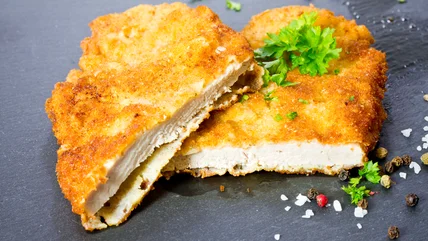
Read MoreOne simple mistake is causing your chicken cutlets to burn in the cooking process -- and it's probably the opposite of what you think it is.
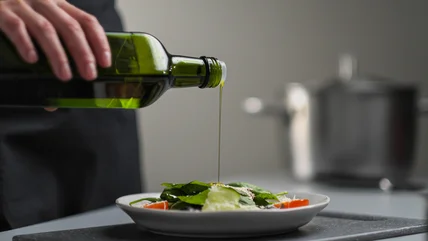
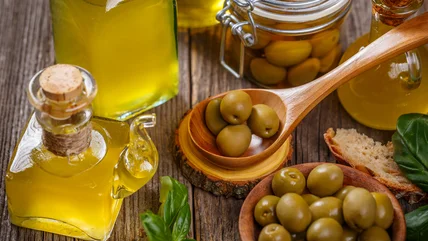
Read MoreIf you've ever ruined a dish with an accidental drenching of olive oil, there's a straightforward hack that can save you from future disasters.
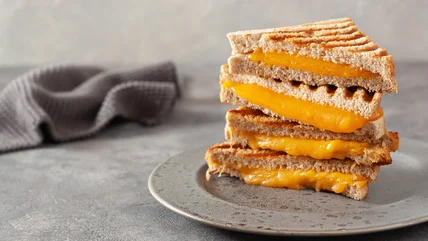
Read MoreGrilled cheese is a tried-and-true classic that can be elevated in all manner of ways. Pumpkin puree is a creative way to boost the sandwich's creaminess.
Read MoreWhether you're out at a fancy cocktail bar or making a drink at home, it's important to know this fun term that helps you invent new cocktails.
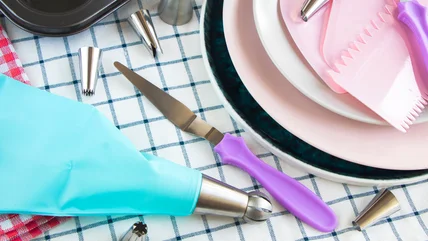
Read MoreCostco's sheet cakes are tasty but basic-looking, so to really spiff them up for a special occasion, try our easy ideas for decorating an customizing.
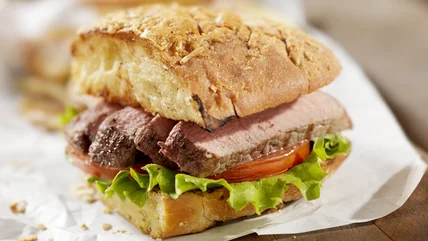
Read MoreSteak sandwiches always hit the spot, but they're even better when you know what you're doing. These tips will take your steak sandwich to the next level.
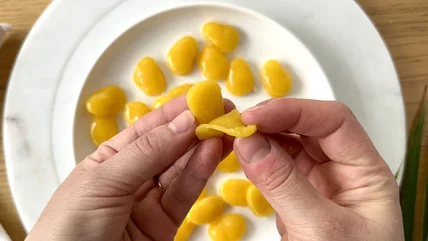
Read MoreWalgreens became the go-to spot to grab a TikTok-famous candy: peelable mango gummies. Can't find them on shelves? Make your own version with our recipe.
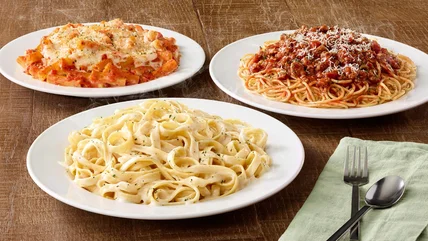
Read MoreOlive Garden's never-ending pasta promo is wildly popular -- and pretty economical if you play it right. Here's how to make sure you're getting a great deal.
Read MoreTrader Joe's has lots of popular products, but if the chain decides they have to go, they have to go. Here are some items that got the ax, and for good reason.
Read MoreChallah has been enjoyed around the world for centuries, but challah eaten in the U.S. has evolved over the years to include sweeter ingredients. Here's why.
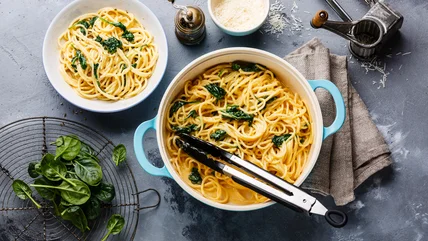
Read MorePerfectly coating pasta in sauce and then serving it in even portions can both be a pain, unless you learn how to use a handy pair of tongs to make it a snap.
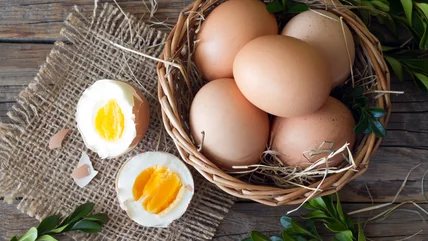
Read MorePeeling eggs can be a slog, with stubborn shell pieces that shatter or stick too tightly. But peeling eggs underwater can make the chore much breezier.
Read MoreFor fresher and healthier olive oil, reach for oil in a tin over a glass bottle at the grocery store -- especially if the glass bottle is clear.
Read MoreIf you're hosting a Mexican-inspired dinner party, steak fajitas are the perfect recipe. To elevate this dish, here's how to recreate that signature sizzle.
Read MoreHard-boiled eggs and oatmeal cakes in the air fryer? The air fryer is more than just french fries or fried chicken. Get ready to be surprised.
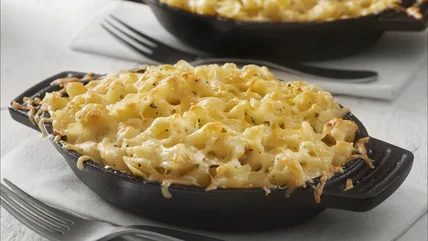
Read MoreIt's no secret that the most important part of mac and cheese is, well, the cheese. Luckily, this hack will ensure that every bite is as cheesy as possible.
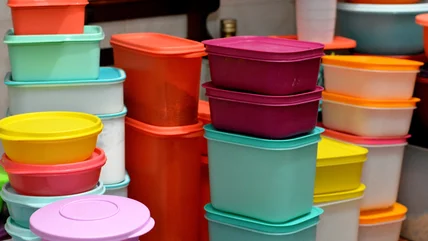
Read MoreTupperware isn't just the catch-all name for food storage containers. It's a brand, and it's been around since the 1940s. Here's where the company is now.
Read MoreDon't want your cocktail to lose all its flavor as its ice cubes melt? Keep things sweet by adding frozen fruit cocktail to your glass. Here's how.
Read MoreCall all boba tea drinkers! You'll want to visit your nearest Starbucks this summer to get your hands on its newest and maybe wildest menu item yet.
Read MoreBeyond their piquant contents, Taco Bell's sauce packets are popular for their witty sayings, but the chain's condiments weren't always packaged this way.
Read MoreAs you sit at your restaurant table, a waiter brings you a basket of free bread. Why? Are they just being nice? Or is there something more cunning at work here?
Read More